
Hubert Hayaud was born in France in the 70’s, but after finishing his film studies in Paris he moved to Montreal, where he lived and worked for over 25 years. He is a director, editor and photographer whose work perfectly combines narrative art with documentary sensibility, and in October we will meet him at Bucharest Photofest.
"As much as I love France and as much as I am grateful to have been born there, I have always felt the burden of history, which sometimes suffocates spontaneity. You are always compared, framed in a social or cultural pattern that you cannot escape. In North America this feeling does not exist, at least not to the same extent", says Hubert.
In 2024, he made his directorial debut with the documentary The Man I Left Behind, which had its world premiere at Visions du Réel. Hayaud is also an acclaimed photographer and his images featured in international publications such as Le Monde, The Guardian or The New York Times. We talked to him about roots and what losing them means, about AI and what new era is coming, his Run and Drive project or the countries that impressed him the most.
The discovery of photography & film
I come from a family of four siblings, and apparently I was the only one constantly eager to use my father’s camera during our travels. That probably explains why my parents signed me up for a photography club in my early teens. It was all black-and-white darkroom work. I knew nothing about cameras back then—I even broke my first roll of film trying to rewind it. Not the most glorious of beginnings…
Later, I stumbled upon a Raymond Depardon book, Voyages. It was small in format but very thick, entirely in black and white. I was captivated—someone was seeing the world exactly the way I wanted to see it. From that moment, I dreamed of living the life of a photojournalist, which seemed endlessly adventurous and romantic. But instead, I ended up becoming… a film editor. Still, my love for photography never faded, and I’ve always kept both worlds alive. As an editor, I bring someone else’s vision to life. As a photographer, I’m free to be alone and work entirely “for myself.”
From France to Canada
As much as I love France and feel grateful to have been born there, I often felt the weight of history pressing down, sometimes stifling spontaneity. You’re constantly compared, categorized, placed within a framework you can never quite escape. In North America, that sense of confinement is far less present. There’s more freedom to simply be and to try things out, which resonates more with my personality. France tends to lean towards the conceptual, while Canada feels more pragmatic.
The Man I Left Behind, your first film as a director
I don’t know if everyone should see it, but if you’re curious about documentaries, photography, and history, it’s worth watching.
Much of my photographic background comes from photojournalism, especially Magnum Photos. I already knew and admired Larry Towell’s work—his book The Mennonites in particular—long before I met him. So being able to collaborate with him was truly a once-in-a-lifetime gift, allowing me to bring together my two passions: photography and film editing.
When I visited his home, it felt oddly familiar—he had photographed his family so extensively that I felt I already knew them. His studio fascinated me too: postcards from Martin Parr, signed prints by Burt Glinn, shelves of books inscribed by his Magnum colleagues… it was like a treasure chest.
Working with Larry was initially intimidating—he has a very strong personality. But I brought my own expertise, gained his trust step by step, listened carefully, tried his ideas, and offered alternatives he hadn’t considered. Matthieu (the co-director and producer) and I were deeply committed, and Larry respected that.
The whole process was long and challenging—at times I couldn’t even find a narrative thread—but also immensely rewarding. The film took over ten years to make. In the end, we decided to share directing credit equally: one photographer, one producer, one editor… three directors.
Your photographic touch
Oh, I’m terrible at describing myself—I’m not even sure I have a specific photographic style. As a child, we moved often because of my father’s job, so I went to many schools, lived in many homes, and constantly had to adapt. That gave me flexibility, but also a sense of not belonging anywhere. At my modest level, I relate to those who are forced to move, change, and adapt—whether by choice or necessity. You lose your roots, or you never get to grow them, and you end up feeling at home everywhere, because you have no other option.
Sometimes I wish I could claim a regional identity, something like: “This is where I come from, therefore this is who I am.” But deep down, I know that would also take away some of my freedom. For me, photography is a way to record my own small history.
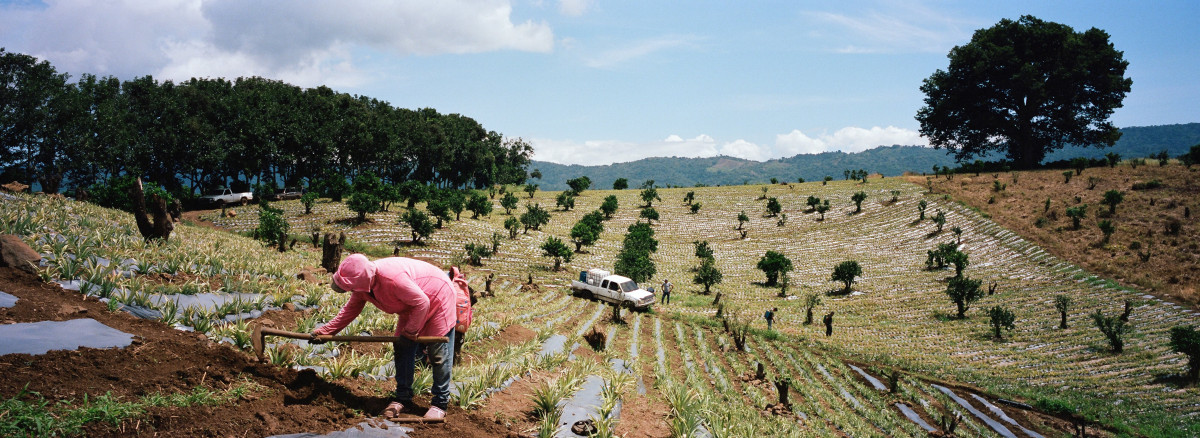
The biggest lesson you’ve learned from documenting fragile communities
Never take anything for granted—home, freedom, peace. They are all incredibly fragile.
It may sound like a cliché, but it isn’t.
What’s your take on AI, social media, and the flood of images we all face today?
Like everyone, I feel both fascinated, excited, and afraid. We’re witnessing history change in real time. My biggest fear is that AI will rewrite history and brainwash us without us even realizing it.
Still, I believe Newton’s third law might also apply here: for every action, there is an equal and opposite reaction.
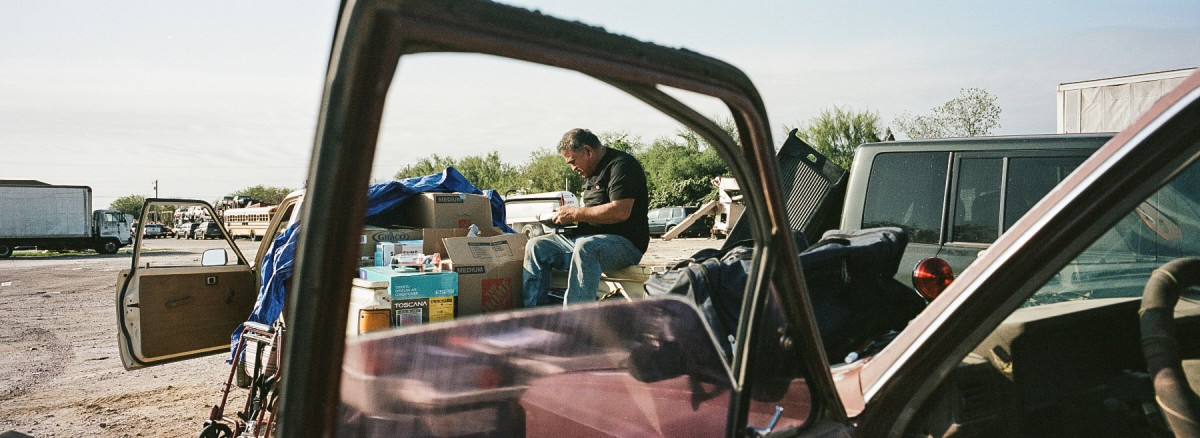
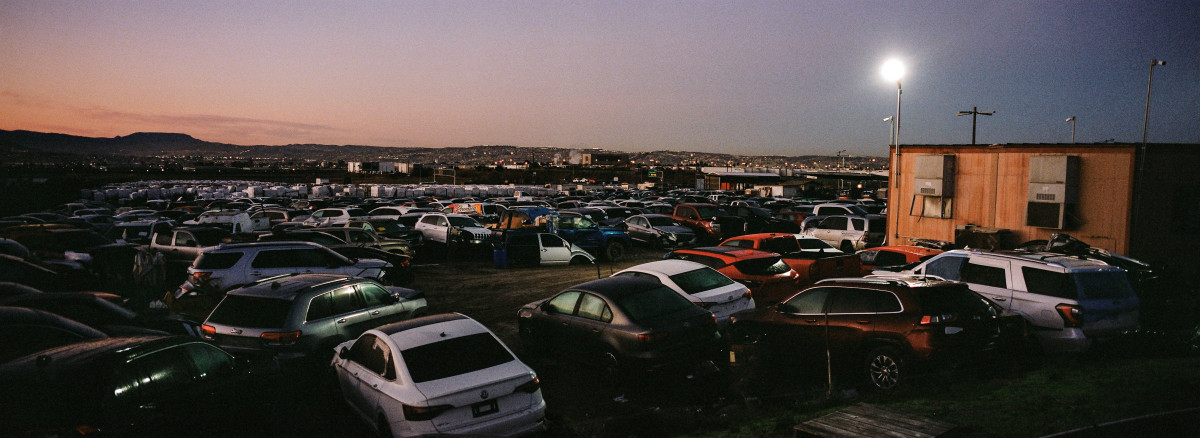
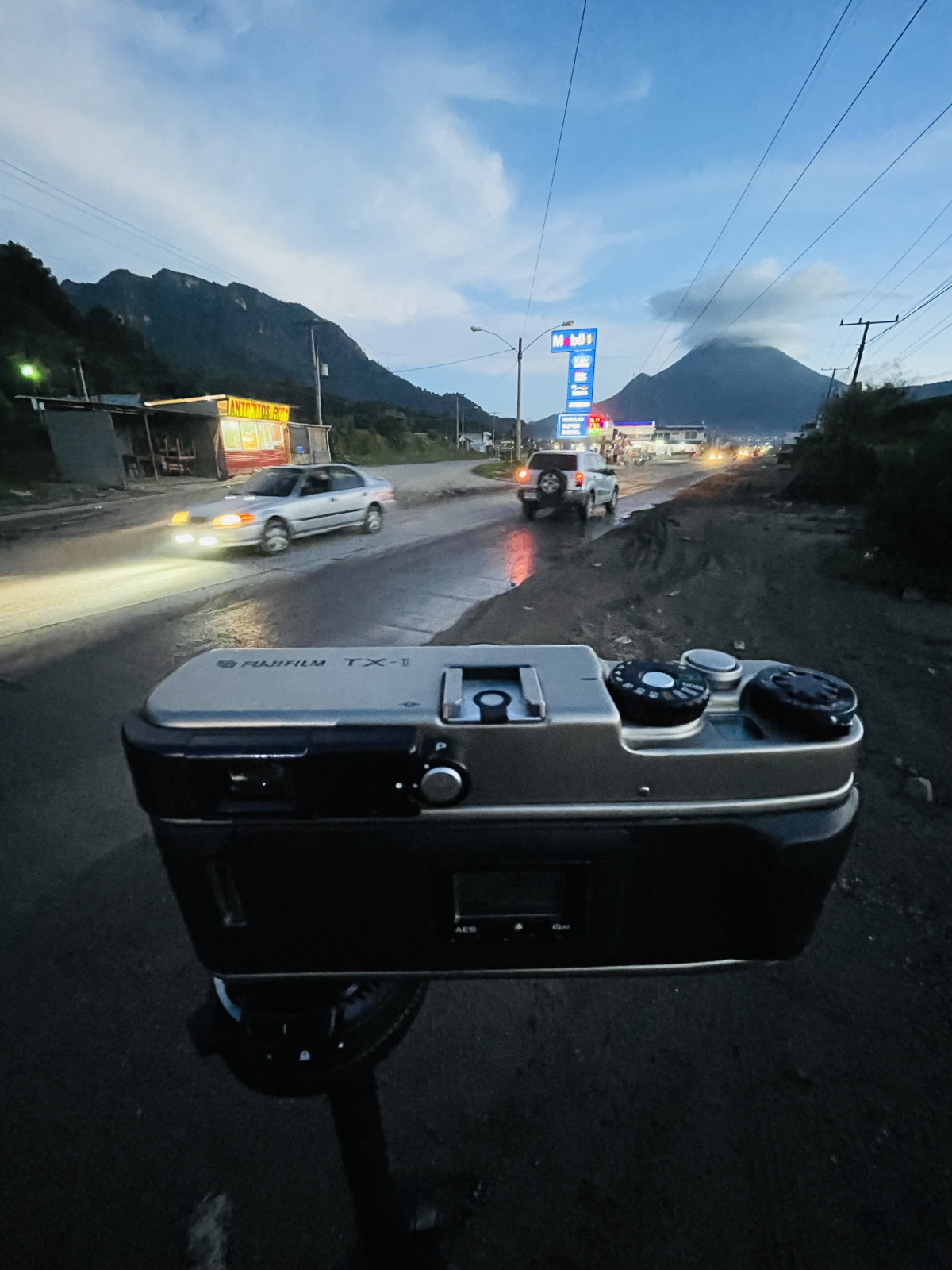
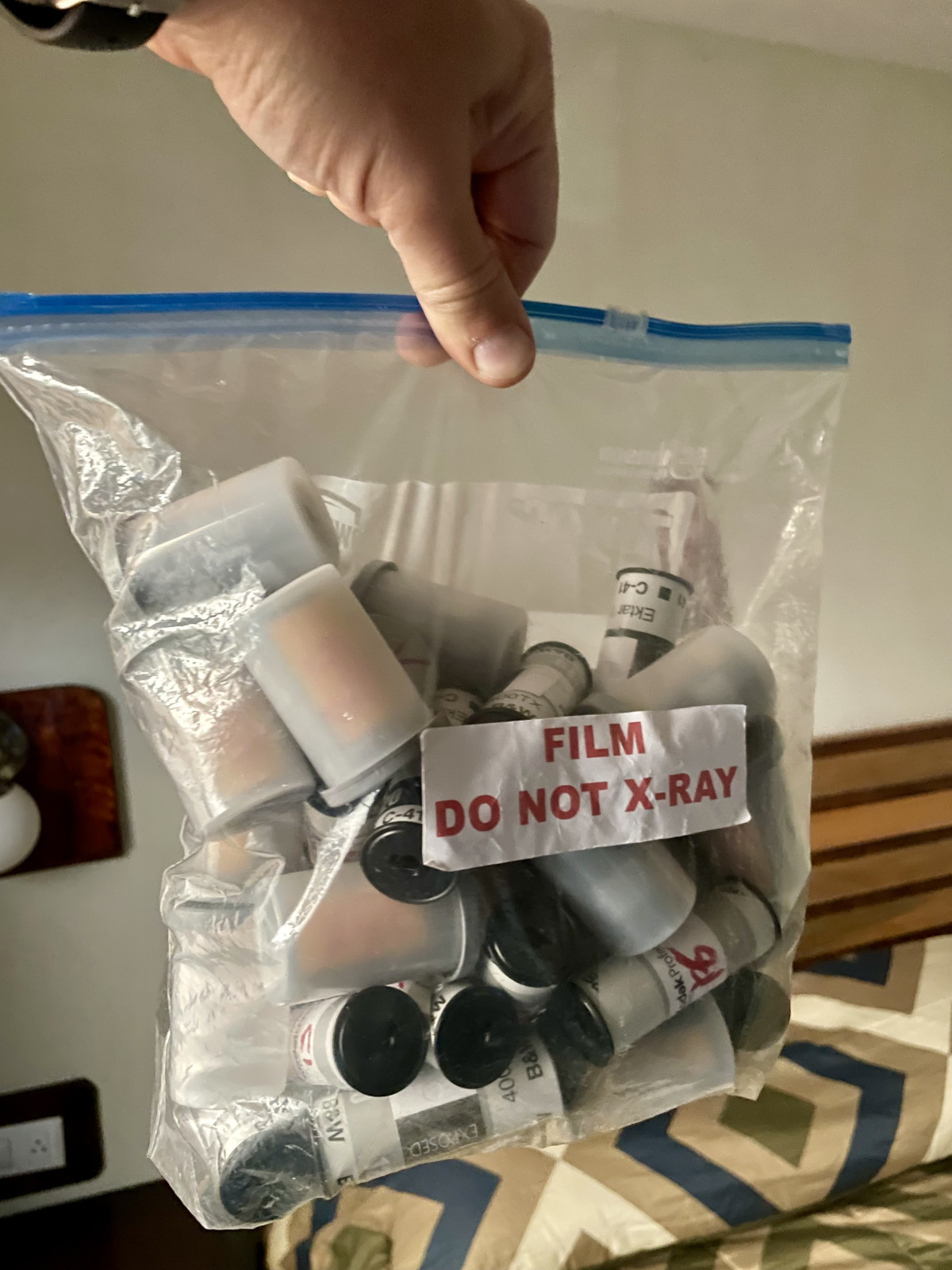
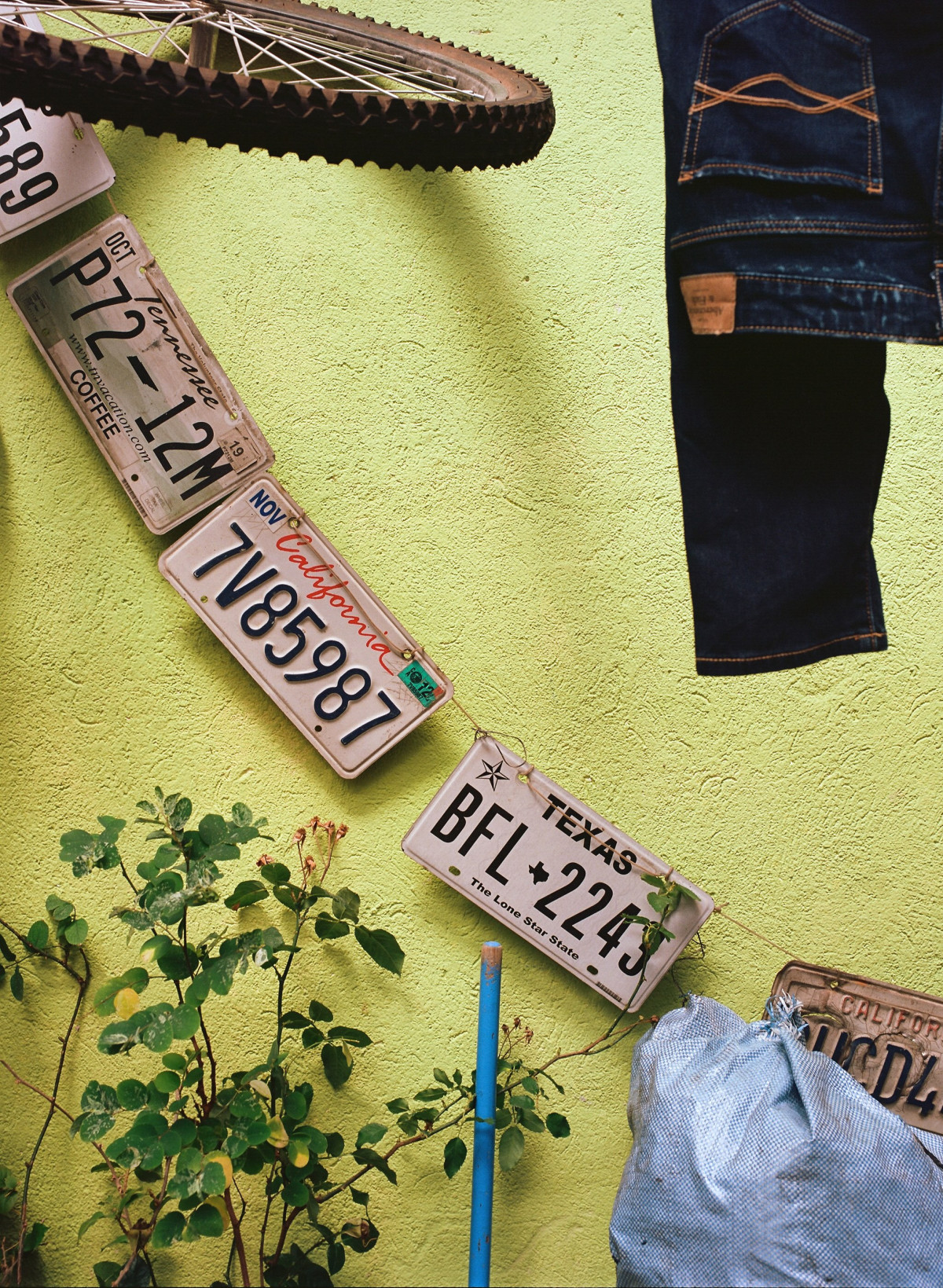
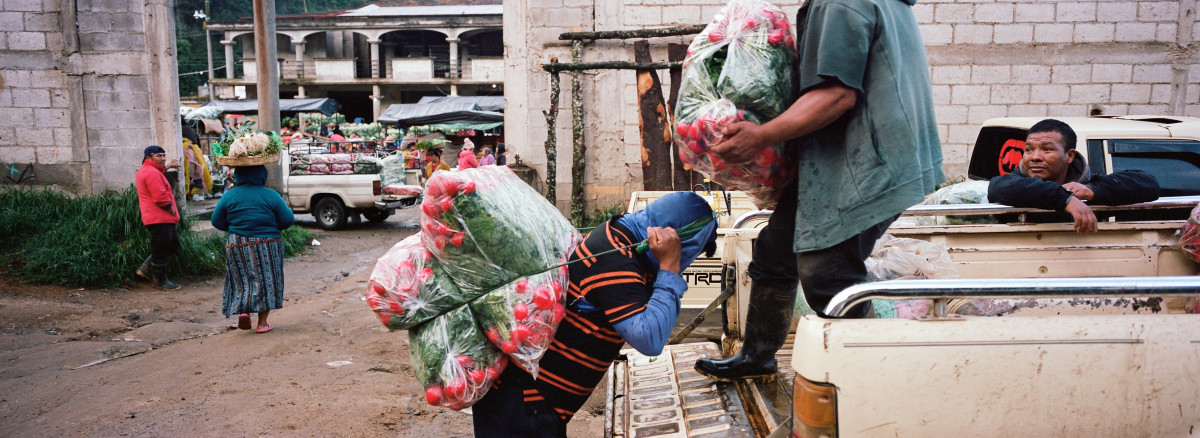
On a personal note, I’m glad I shot Run and Drive on film. It gives me a physical record of my work. I even print my photographs with the black negative border to show I don’t crop, zoom, or reframe. What you see is exactly what I saw. Imperfect, maybe—but true. And I can prove it.
From all the countries you’ve visited, which one impacted you the most as a photographer and filmmaker?
It’s hard to choose just one, but probably the United States. Growing up, we watched so many American TV series and Hollywood films that when I first visited in 1995, at the age of 23, it felt as if I had stepped straight into the TV screen. The cars, the landscapes, the faces, the cities—all familiar, all incredibly cinematic. Every time I return, I try to reconnect with that first sense of wonder.
But if I had to choose a landscape rather than a country, it would be the desert. I’ve been fortunate to see the Gobi in Mongolia, the Sahara in Algeria, the Sonoran Desert in Mexico, and the Atacama in Chile. Their vast emptiness is mesmerizing—it calms me deeply. In the desert, I feel truly connected to my surroundings.
Your expectations from Romanian experience
I was born in the seventies, during the Cold War. Back then, we saw the “East” as one big uniform block—ignorant, of course, but that’s how it was. So I expect to be surprised, to have all those old clichés challenged. I already have Romanian friends and colleagues, but I’m eager to discover the country firsthand. I love history, and I’m sure I’ll be fascinated by the many cultural layers here. And I’m really looking forward to tasting some food specialties—I’m a true gourmand!
What's next
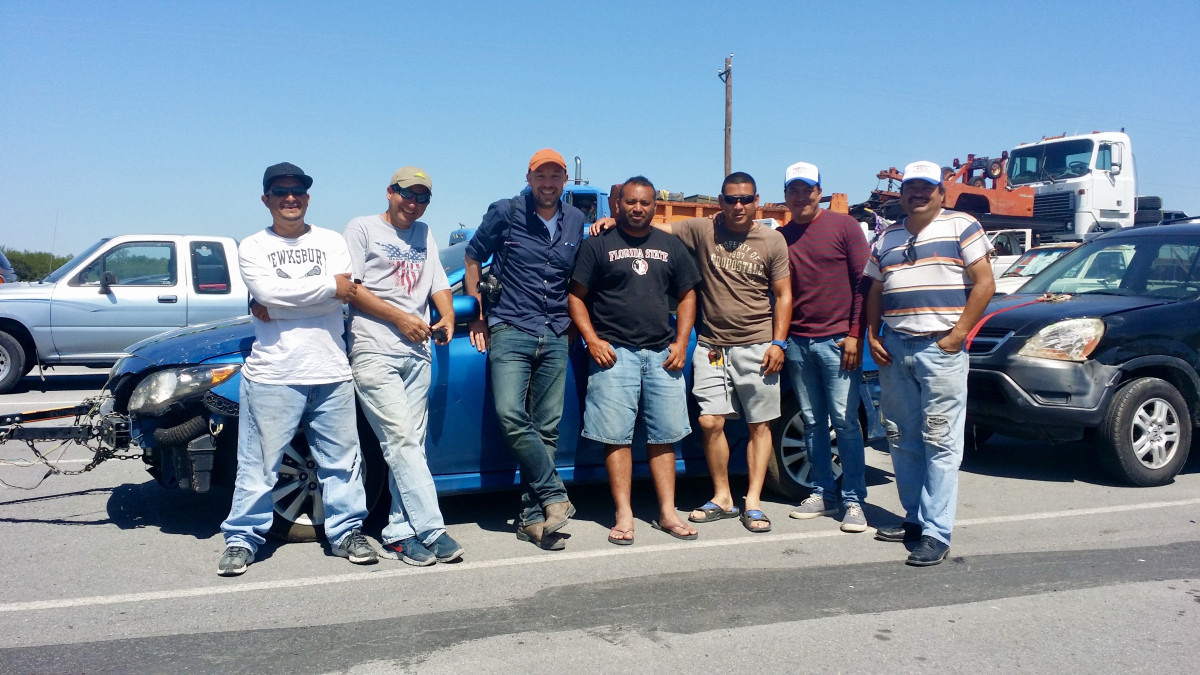
My Run and Drive project is still ongoing. I plan to turn it into a book within the next two years. I have a few additional photographs in mind that I’d like to capture, to make the story more poetic.
I also have other project ideas simmering, but I keep them at a distance so I can stay fully focused on finishing Run and Drive the way I envision it—with my own photographic touch, if I have one.