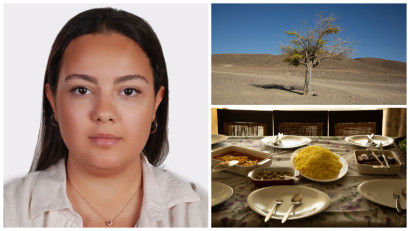

We hear about wars in the news: how many buildings have been bombed, how many people have been killed. But do we know what happens to the people? We hear about migration in terms of numbers and borders, but what happens to those who are left behind? Through her work, Toulo Adl Parvar, an Iranian-born photographer based in the Netherlands, seeks to create a space where audiences can reflect on the realities of lives shaped by politics.
She works across various media, including photography, video and sound. Besides archival materials, text and poetry are also essential elements of her work, creating deeper emotional connections with audiences. She says that her position as an Iranian woman is very important to her projects. She doesn’t want to show an image of a collapsed building simply because it is visually powerful. For her, it is more important to face the reality of what actually happens and to have a dialogue and connection with the country and its people.
"In the beginning, I was really careful with my words, but as time passed and more tragic conflicts happened, my storytelling became, I would say, like a spoonful of salt", says Toulo.
Toulo is coming to Bucharest Photofest, taking place from October 9 to 18. Until then, we talk to her about uncomfortable realities, conflict, the urgency of the world we live in, and the power of photography.
What sparked your interest in photography
Cinema and photography are very connected to each other for me. I remember watching Kiarostami’s film Where Is the Friend’s House? Something that has stayed with me to this day is that the film didn’t give you answers or closure. Instead, it gave you space to think and wonder. That was a significant moment for me, having to think and reflect on what you are seeing, creating a question and answering it yourself.
I think my journey as a photographer and filmmaker started to change significantly when I moved to the Netherlands. My position changed completely; I was no longer photographing what I used to photograph back home. Instead, I began exploring emotions such as longing and how they connect us to our homeland.
Defining moments in your career
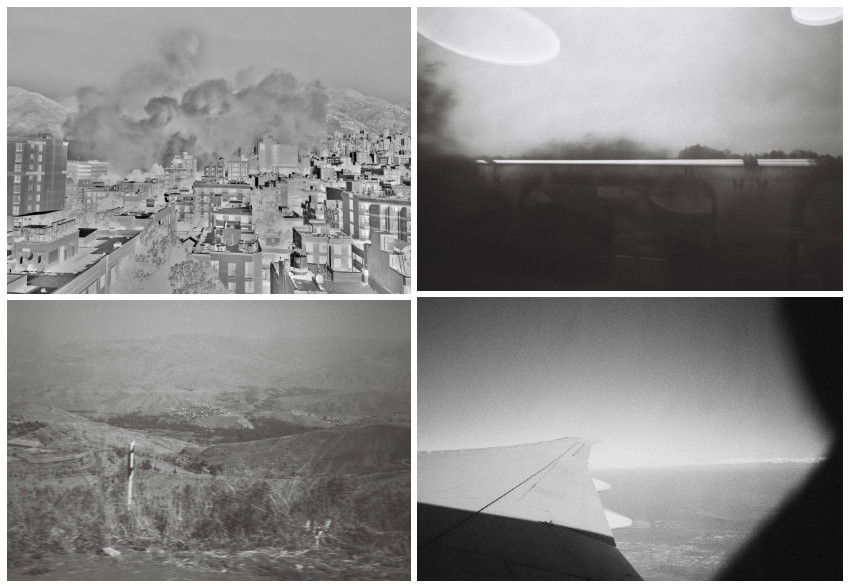
On June 13, 2025, when Iran was attacked, I was in the Netherlands. I had never felt that displaced in my life. My body was here, under a blue sky, but my soul was somewhere else. That was a really difficult moment for me and, I think, for many people who were far from home at that moment. That moment, and the pressure it created, gave me an urgency to talk about what we were feeling as people living outside our home country.
How has your perspective on photography evolved over time
I think my way of storytelling started to change. In the beginning, I was really careful with my words, but as time passed and more tragic conflicts happened, my storytelling became, I would say, like a spoonful of salt.
My perspective on photography changes all the time. In the beginning, it was more about the image itself, but now photography has become a tool for me to use to tell a story.
Your personal signature in photography
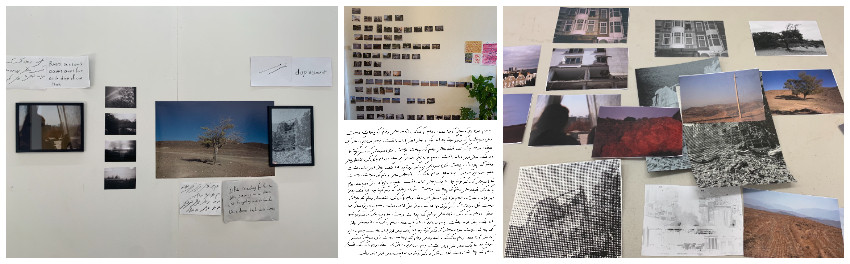
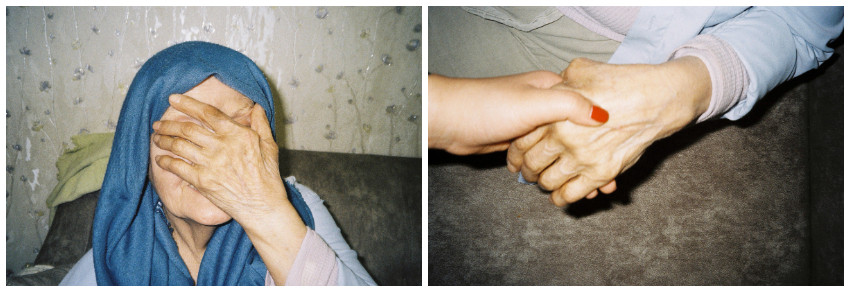
I aim to create a space for the audience to reflect on the reality of people’s lives affected by politics, a place to wonder or to pause. Sometimes I use photography, sometimes moving images, or text to translate that. I think the combination of all three has become a signature of my work.
This process usually changes with every project and with the topics that I explore. The method is similar, but of course, the world changes every time.
The themes you obsess about
I think themes such as displacement and longing are really important. We often hear about wars through the news and numbers: how many buildings were bombed, how many people were killed. But do we hear what happens to the people? Do we know how many hearts get broken?
We often hear about migration through numbers and borders, but do we hear about the ones who stay? The majority of people who are left behind, who are often from the older generation?
I think the world is moving too fast, and not in a positive way. I feel the urgency even more every day with what is happening around us.
Major changes you see in the photography world
I think the changes that have happened are both good and bad, and I don’t think we can separate them. Social media has had a huge impact on photography over the past few years. We scroll, we see a beautiful image or a sad image, and then we scroll again.
I think in the past, looking at an image in a gallery or exhibition gave you a moment to pause. I prefer the classic way of seeing images rather than what is happening now on social media.
But accessibility is one of the good things about social media. You don’t need to travel to the other side of the world to see an image anymore; you can see it on your phone. I think that is an important change.
The impact of AI
I really wish AI were not allowed to be used in art in general. The creative process of the human mind is something truly unique, and I believe it has a huge potential that we have not even fully accessed yet.
At the same time, I believe that the younger generation may gradually become less interested in using AI in art. We grew up seeing how media and technology can change the world, so I think many people were initially impressed by it. But over time, I believe the hype around using AI in art will lessen.
Nowadays, analog photography is becoming more popular because it encourages people to slow down and take their time when making an image. I believe that this is important: to actually enjoy the process of creating art.
At Bucharest Photofest
It is such an honour and a real privilege for me to be part of Bucharest Photofest. The festival has created such an important space for photography, dialogue and exchange, and I’m very excited to share my work with an audience in Bucharest. My goal with this project was to tell a story about the reality of people’s lives under brutal war, and about the emotions that come with living through these tragic events.
I’m especially looking forward to experiencing the energy of the festival, meeting other artists and photographers, and having meaningful conversations with the audience. I’m curious to hear how people in Bucharest connect with the project, what emotions it brings up for them, and what conversations it might open.
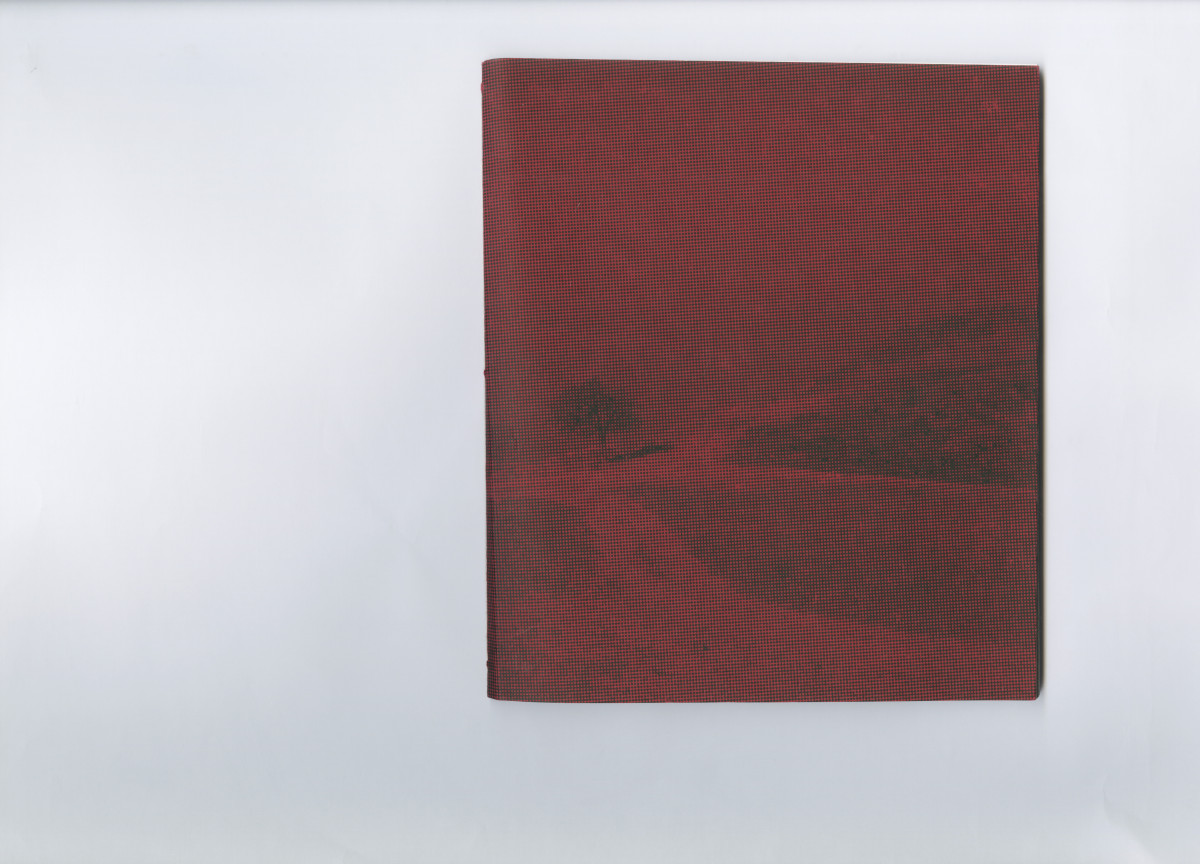
A personal ethical code that guides your work
For me, reality and truth are always important. I want the audience to choose what they feel and how they respond to the work, but the reality of what happened always has to be there.
My projects are often very intense and are based on conflict, but I think we should also acknowledge that conflict is never calm or happy. It is intense, sad and stressful. So there is always, as I say, a spoonful of salt in my work.
I also think my position as an Iranian woman is very important to these projects. I was born and raised in Iran, and I spent most of my life there. I don’t want to show an image of a collapsed building simply because it is visually powerful. For me, it is more important to face the reality of what actually happens and to have a dialogue and connection with my country and its people.
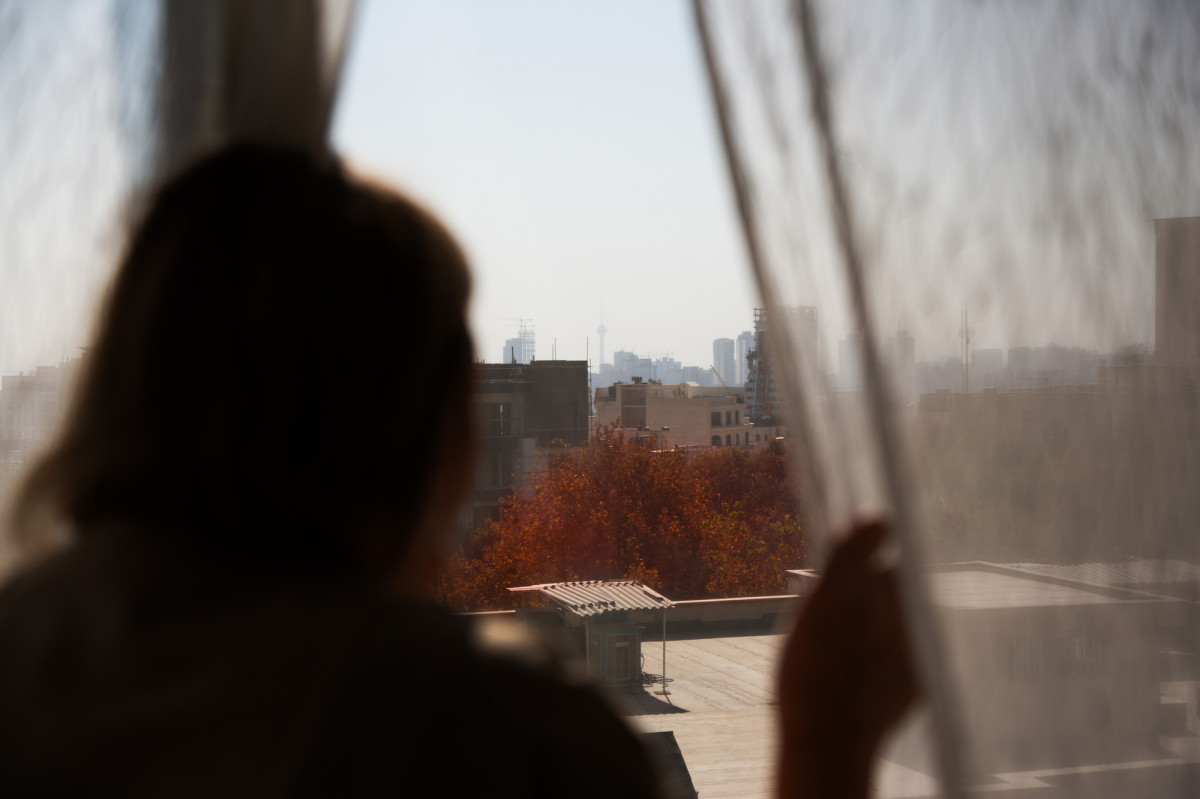
Of course, where I am physically is different from where my soul is. That position as an Iranian in the diaspora is a very important part of my work.
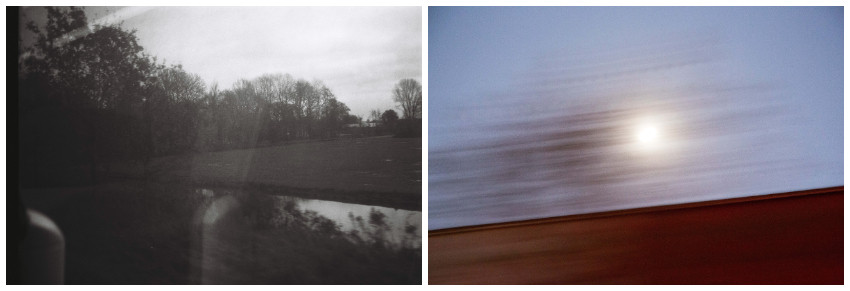
The role of photography in 2026
I think photography nowadays is more than just a picture that we see in a gallery or exhibition. It is about what the image is saying and why it has to be made.
I think a space to think through photography has strongly opened up, even if the image isn’t being made by a camera anymore. A good picture, made at the right moment and used as a tool to tell a story or capture a moment, has already been taken. Now I think we have to ask what comes next.
The Art Scene in Iran
I think art in general in Iran is really urgent and important. In ancient times, Iran had great architecture and poetry, and this continued into the modern world through cinema, which has been important for many decades, and photography as well.
I really wish the world knew the Iran that I know: a four-season country with a strong history, beautiful literature and poetry, and a place where cinema and art are deeply appreciated.
The Iran that the media tries to make us know is not the Iran that we live in. I really wish for a moment in history, where you could also see the Iran that I am wishing for.
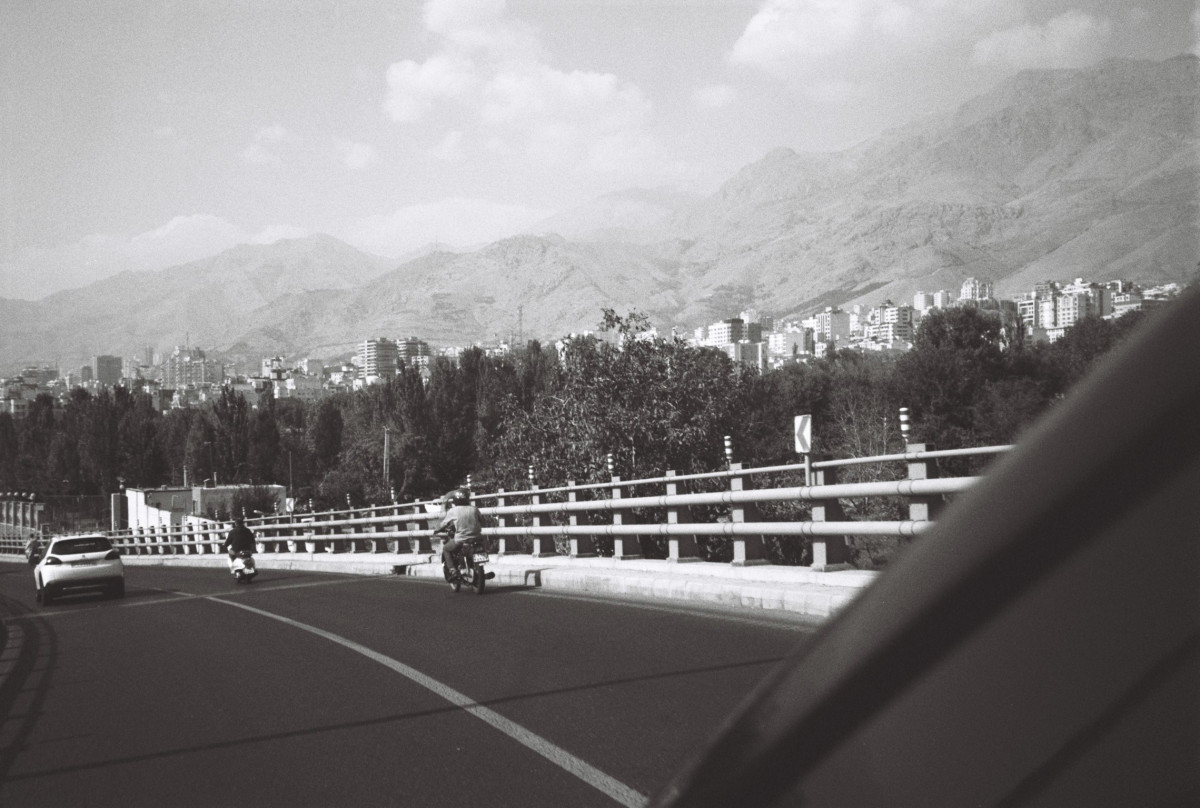
Mixing photo with music and video
The experience of looking at something and hearing something different, the contrast between the two is really interesting for me.
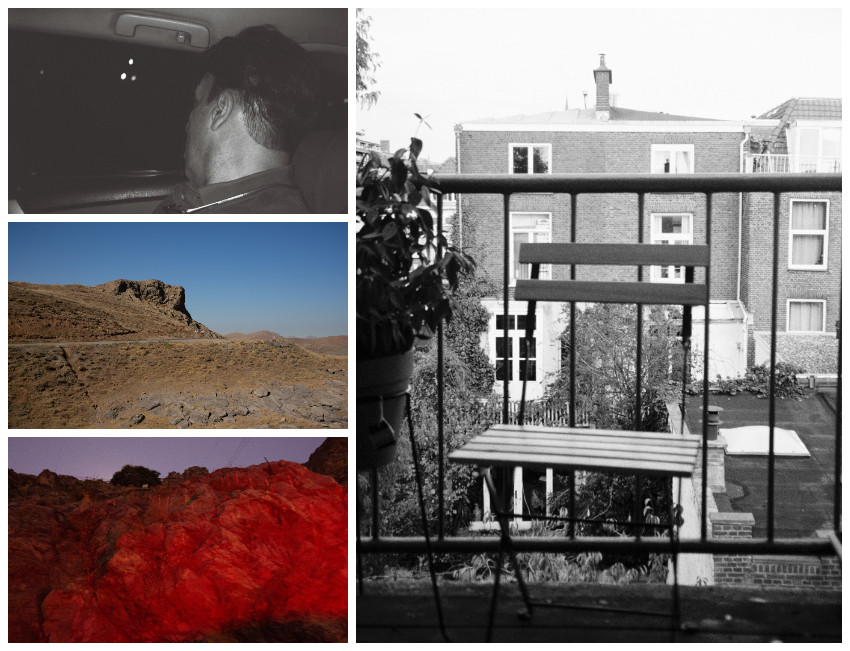
The process changes with every project, and so does my access. Sometimes I have the possibility to travel back home and sometimes I don’t. These limitations have given me space to work differently. I might use archival material or footage that I find online, or I might use my other skills rather than photography, such as animation, to reflect on something and create a different space for the audience.