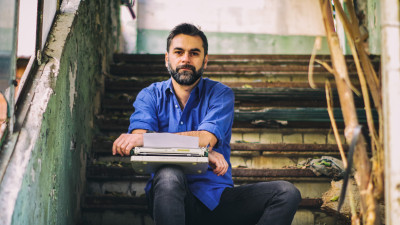
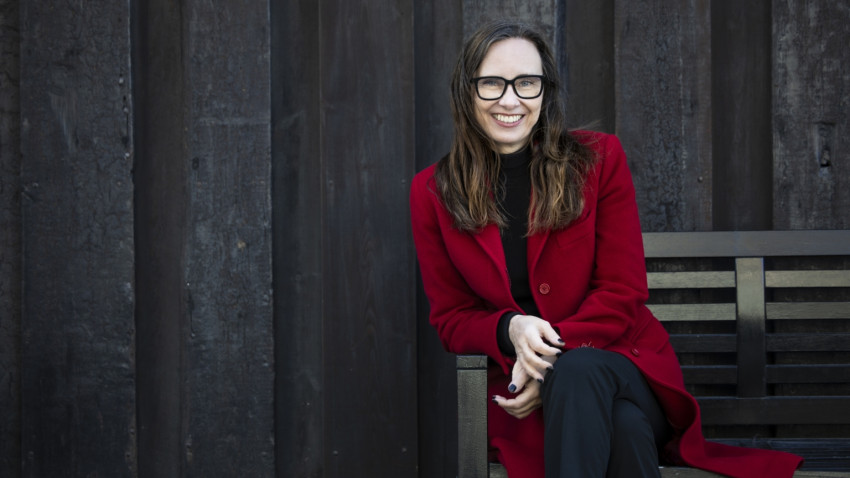
No, there really aren’t quite as many murders in Iceland as Nordic Noir might lead you to believe. But it’s a convention we’re willing to accept in order to immerse ourselves in the atmosphere of those places. Yrsa Sigurðardóttir is one of the leading voices in Nordic Noir. Her books have been translated into more than 30 languages, have received numerous awards, and several have been adapted for film and television.
A civil engineer by profession, she began publishing children’s books in 1998 and made her crime fiction debut in 2005 with Last Rituals, the first novel in what would become an internationally bestselling series featuring Thóra Gudmundsdóttir. Many more novels followed, with over five million copies sold worldwide.
"I love writing and do not do it out of obligation. A book written out of duty – to a publisher or the market or one’s bank account – will not be good. One needs to write for the love of writing and to fulfil some need to do so, otherwise it will not be authentic", says Yrsa.
Yrsa Sigurðardóttir is coming to Bucharest for the inaugural edition of the Nordic Exposure festival, taking place from September 16 to 20. On Friday at 6 p.m., she will join Marius Chivu for a conversation about fear, isolation, and suspense. On Saturday at 11 a.m., she will be in conversation with Henrik Fexeus and Cornilă about the craft of constructing plot twists.
In the meantime, we talk to Yrsa about Nordic Noir, her creative process, inspiration, fears, and her relationship with writing.
A writer's survival guide for 2026
Brace yourself, you are in for some tough times.
If your life were a book, what title would it have
Life is what you make of it.
The names of the most important chapters
Learning to read, Parental influence, Houston Texas, Education, Family, Horror Movies.
How has your perspective on writing and literature evolved
My perspective has not changed much, I take writing seriously and will continue to do so. However, crime writing in contemporary settings requires constantly increased knowledge of the tech and science involved in crime investigations. There have always been such developments, but the pace at which they now evolve is much faster than in the past.
What came with experience
I have come to realise that not every book is for every reader and it is almost impossible to write a book everyone will love. Which is fine.
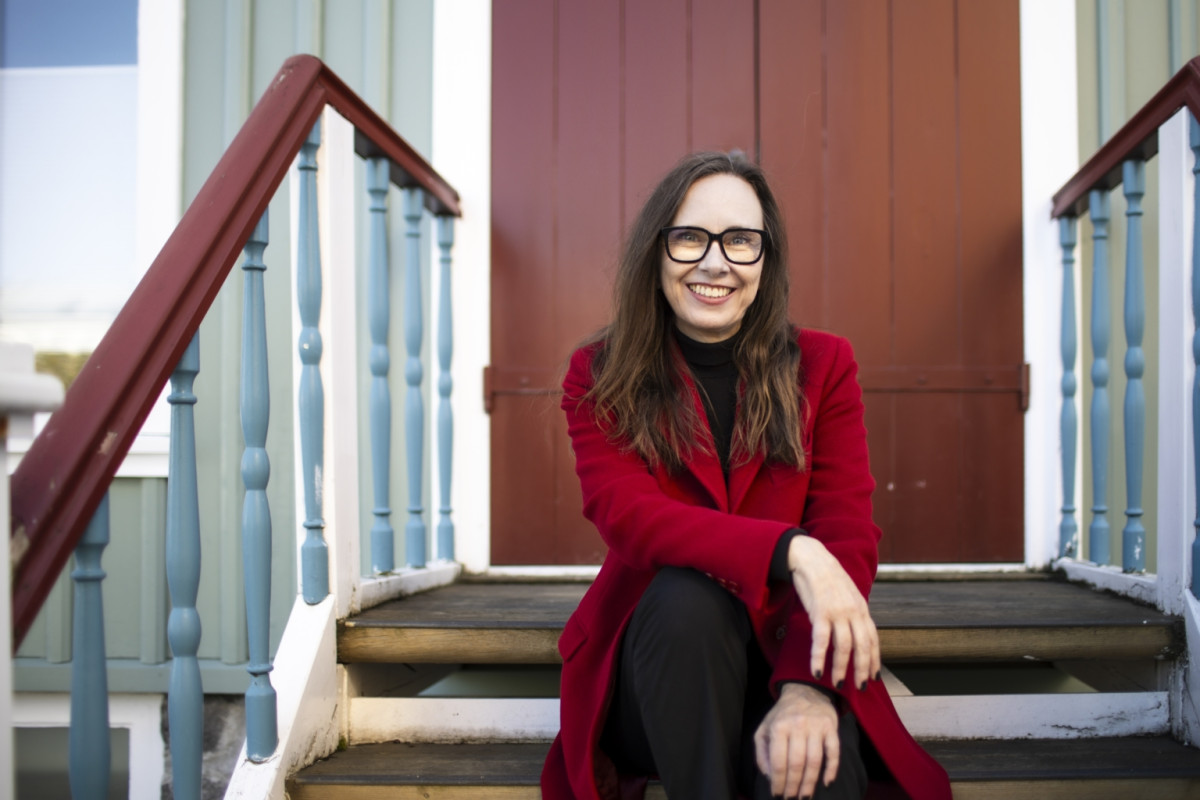
Photo Credit: Sigga-Ella
Your relationship with writing: a need, an obligation, a pleasure, or a struggle?
When writing a book I swing from being really happy about what I am doing, to being extremely depressed and thinking the draft needs improving. I find the depression stage better as it means I am not deluded about the quality and can amend whatever is missing or just wrong.
I love writing and do not do it out of obligation. A book written out of duty – to a publisher or the market or one’s bank account – will not be good. One needs to write for the love of writing and to fulfil some need to do so, otherwise it will not be authentic.
Where does a story actually begin for you?
Usually with either a location or a theme. Sometimes with inspiration from an old unsolved case – not that I write about true crime but I often find something in such cases that is intriguing and want to explore in my own setting.
Your greatest fear when starting a new book
That it will suck.
Is there a sense of pressure now, with several books behind you?
There is always pressure, in particular following a book readers really liked. Books cost money and even if taken out of a library, readers are investing their time on the book and time is even more precious than money. So I really want my books to be worth their while and this does put pressure on me while writing. But it is a good thing, nothing that is super easy is fun for long, it is always best to face some challenges.
Your writing process. To what extent do you revise and edit?
I do most of the revisions and editing during the writing process. I write 10 chapters then read through them quite critically and amend what I feel is lacking. Then I do the same after 20 and then after 30 and finally after the whole novel is done I do it again. During the writing I also discuss with my editor and he gives his opinion which I accommodate if I agree with him.
Do you write at certain hours, in a certain place?
The sweet spot are the afternoons and evenings, in my sofa with horror movies running on the TV. I do not watch them but use the audio and score to get me in the mood.
What are your rituals?
No rituals really except I would not sit down to write without having had coffee.
A rule of thriller writing that you enjoy breaking
I must admit I don’t know these rules per se – I just write keeping in mind that the whole must make sense.
What are you afraid of
I am not afraid of much, not a particular fan of heights in nature but fine with it in designed environments like airplanes, skyscrapers and airplanes.
Is there anything about Icelandic society that you think international readers misunderstand because of Nordic Noir?
The murder rate is much lower in reality than if one would add up all the bodies in each year’s crime novels.
Is there any character you regret killing off?
No. Not really. They are paper people, i.e. not real so I guess they are all dead to begin with anyway.
If you could ask your readers one question after they finish one of your books
So, did the ending surprise you?