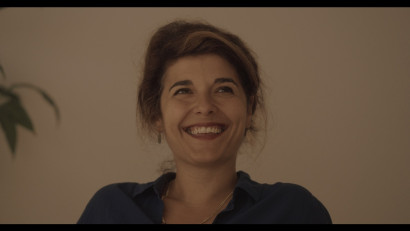

Sometimes you go back to what you know, don't you? Because there's comfort in the familiar. Rachel Tâpârjan returned to Romania. But not because it felt familiar, even though she was born here. Rachel was adopted by a British couple in the 1990s, and for a long time, her relationship with Romania was shaped by fear, prejudice, and anxiety. She gradually rediscovered the country through the Romanians she met, before eventually setting out to explore her own personal history.
It all started with an email: “You don't know me, but we were adopted from the same orphanage at the same time. I'd love to go back to Romania, look for my roots and maybe find my mother. Would you help me?”. Rachel said yes. And that's how the idea for a documentary began. She spent six years working on the film, its structure evolving with every new discovery. Along the way, Rachel realized that she, too, wanted to find her relatives and learn more about her mother. She became a character in her own documentary.
"I accompanied Mihaela and filmed her searching for her mother, and I watched her find all those aunts and cousins, a whole world of women who welcomed her with open arms. That made me want to find my own relatives too, or at least learn more about my mother", says Rachel.
"Something Familiar" premiered at Copenhagen International Documentary Film Festival, and has received three nominations at the 2026 British Independent Film Awards. Rachel Tâpârjan was also awarded the 2026 BFI & CHANEL Filmmaker Award.
Rachel is a filmmaker, holds a PhD, and is a lecturer in social work at Teesside University. She has worked with children in the care system, young people with complex adoption histories, and women who have experienced sexual and domestic violence. Her doctoral research focused on trauma-informed practice.
"Something Familiar" opens in Romanian cinemas on November 13. In the interview below, Rachel reflects on what she discovered about herself and Romania:
Defining moments in your life
Being adopted has to be the big one, right! More generally, the fact that my creativity was encouraged from a young age. Even some of the difficult experiences have shaped my approach to different aspects of my work, particularly thinking how we can tell stories and connect with people in a way which centralises empathy and dignity - because this is what I craved when I was having a tough time.
How did your personal experience influence your decision to work with people who have been through difficult experiences
I am not easily shocked and I don’t often judge people harshly. I think I can have a wider view, a more structural or systemic understanding about the conditions that perpetuate certain kinds of human suffering. On a more individual level, I can see meaning in certain types of suffering. I can also usually find the endearing side to someone’s armour - their defence mechanisms, the things that have helped them survive but may also be prohibiting them from thriving. I also feel like my own experiences and awareness about how these experiences have shaped me for better and worse make me seek out complexity and nuance when telling stories about others - I feel lucky to have this.
The most important thing you've learned from working with people in the care system
Kids and adults need love and real connection. We do not grow out of this need - it’s as fundamental as our need for oxygen, food and shelter. We need to know that we matter. Even if a child does not attend their appointment/session with me - they need to know that it mattered, their absence mattered, they need to know we hold them in mind. Sometimes when a child goes missing, they are asking a question - will anyone notice I'm gone? Will anyone look for me? I was one of these kids. I couldn’t always be in contact with the safe adults around me, but knowing that they hadn’t given up on me was everything. Always leave that door open!
How has your relationship with Romania evolved
As a kid I was shown awful, harrowing documentaries and news reels about Romania and Romanian orphanages in particular. I thought Romania was a frightening place, somewhere I did not want to be associated with. That has completely transformed, I love visiting Romania now. I remember meeting Romanians in the UK as a younger person, they were so lovely and I thought, well maybe being Romanian isn’t so bad. Now, since I have spent so much time in Romania, I have come to learn that Romanians are just as wonderful and contradictory and fucked up as any other nationality.
I have loved making friends with Romanians of my own age and generation, and learning that our insecurities and our humour and our existential angst about the world has many commonalities. România and Romanian people have helped me, welcomed me and shown me care. I now have a wealth of real experiences in Romania to draw my opinions from, not just the opinions of others.
The idea of home
Home is where the heart is, right? Home is a place I feel safe and welcomed and comfortable. Home is a kind of familiarity. The kind you long for when you are away from it. This feeling about home has not changed.
How did you begin to piece together your own story about your origins
It was mainly through having conversations with people I found along the way, family members, neighbours, people in Braila. The biggest piece of the puzzle was meeting my uncle, my brother and eventually my sister. They all have differing accounts of our family and the things that unfolded - but all of it is valuable, and it all thickens my own narrative about who I am and where I come from.
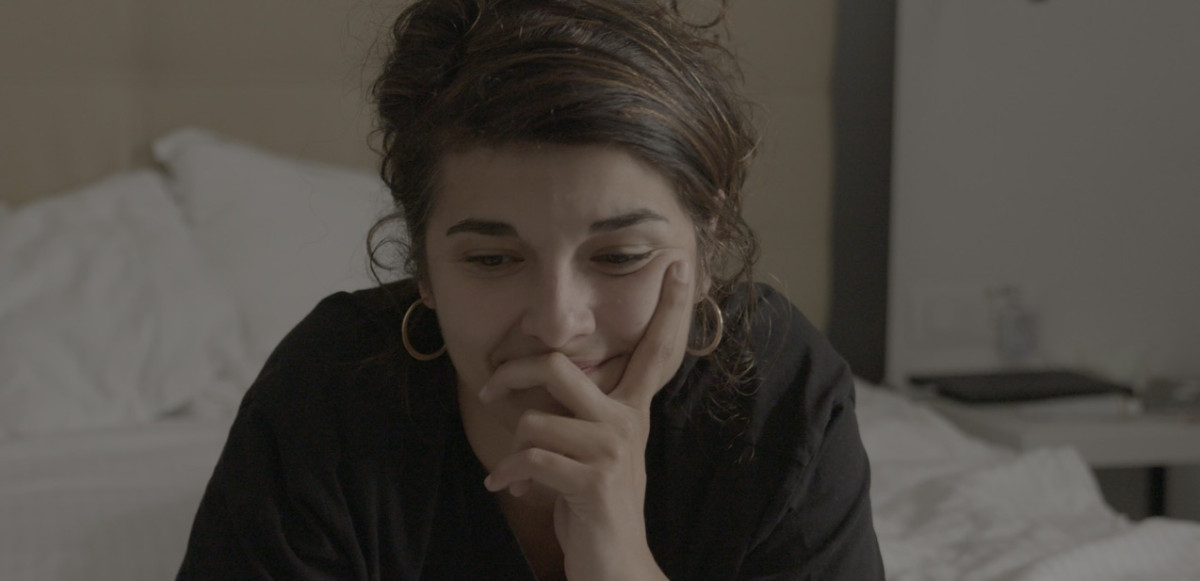
When did you first start thinking about making this documentary
It all started when I received an email from a woman in Canada, Mihaela, which read, “You don't know me,” she said, “but we were adopted from the same orphanage at the same time. I'd love to go back to Romania, look for my roots and maybe find my mother. Would you help me?”
At first, the idea was to help Mihaela prepare for the trip and accompany her. Then I asked whether she'd like me to film the whole process, just for her to keep, and she agreed.
It grew from there. I thought it might become a short film about Mihaela's journey, in which I'd also have a role, but behind the camera. It wouldn't have been about the connection between the two of us, although I would have alluded to it: my adoptive parents almost chose her instead of me, so our lives are inextricably linked. The fact that she ended up in Canada and I ended up in Britain could just as easily have been the other way round.
Then I accompanied Mihaela and filmed her searching for her mother, and I watched her find all those aunts and cousins, a whole world of women who welcomed her with open arms. They all gave her presents, embraced her, and wanted to help her.
That made me want to find my own relatives too, or at least learn more about my mother. Even if I was never going to meet her, I needed to know about her.
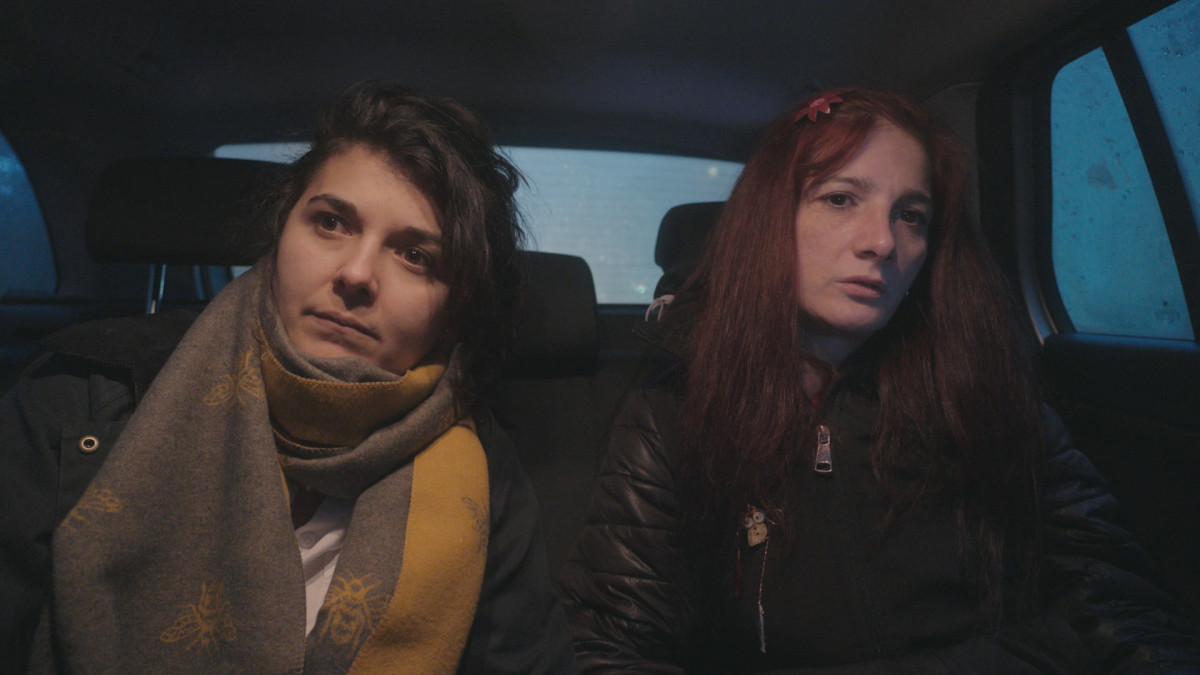
Your initial doubts and dilemmas
My main doubt or reluctance was about being a protagonist within the film. I was a reluctant protagonist for two thirds of the process. I was also apprehensive about going to the orphanage and positioning Mihaela and I as ‘orphans’ - a term that I hate and that was actually incorrect - most children in Romanian orphanages were not orphans, our parents were not dead!
I had so many questions - what will we uncover? Are we sure we really want to know? How can I tell a story that counters the other stories I had seen about children adopted from Romania? How can I tell a story that I can actually bear to live with?!
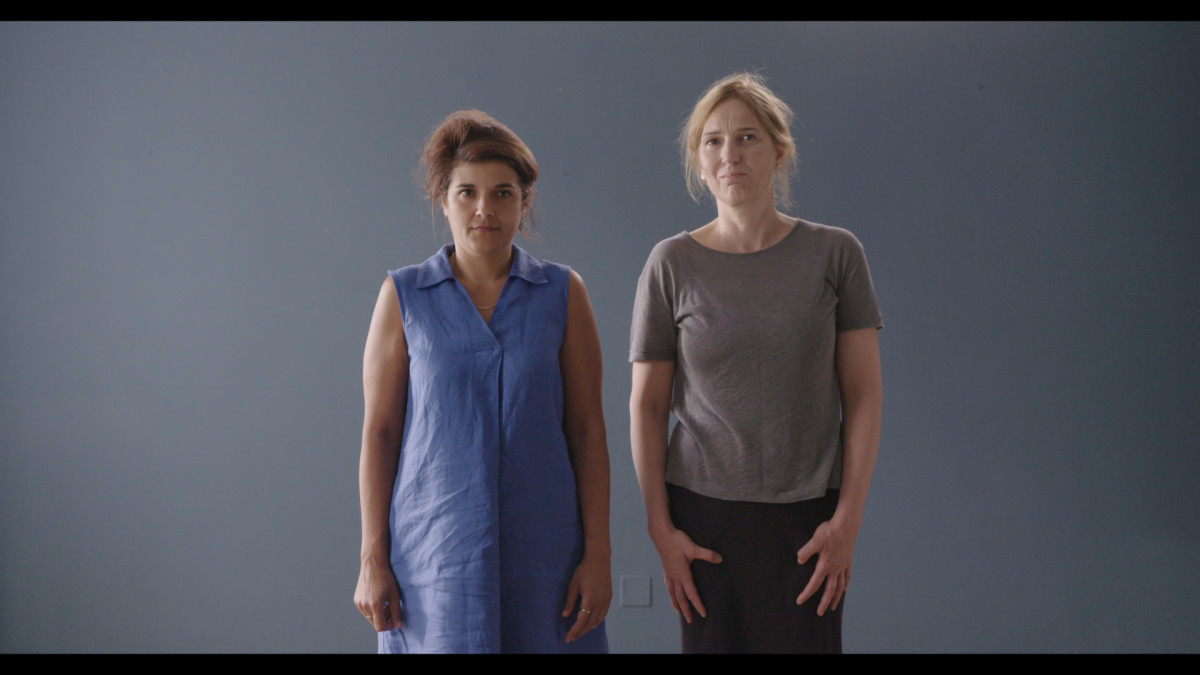
How much of your original vision remained as you were making the film
Quite a lot of the original vision has remained, but there are been some twists and turns along the way. A lot of things ended up on the cutting room floor - an essential process when shaping any story. But I must say, many scenes from my initial story boards and treatments made the cut :)
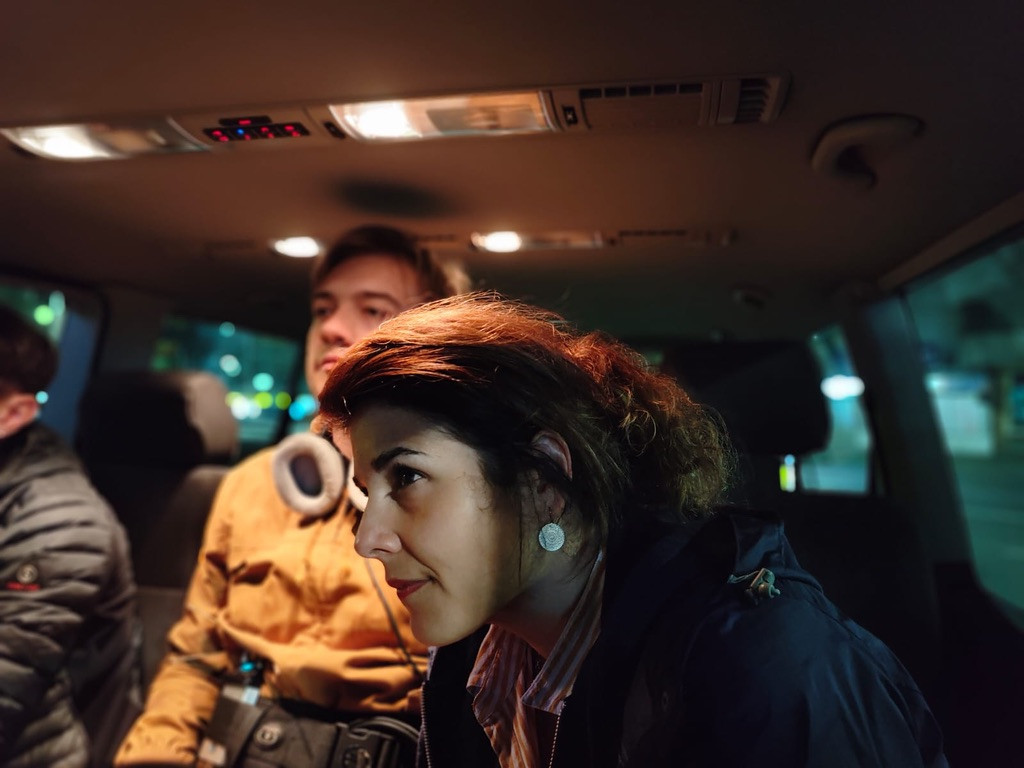
What did you choose to leave out
One of the key things we did not include was a family constellation exercise I did. It was an amazing experience but we couldn't quite make it work within the edit.
What was the emotional journey
Everything with my siblings was tough, tough to organise, tough emotionally, tough relationally - but so so worth it. It’s complicated - I have many complicated feelings about who we are to one another and what our reunification means - it's really complex and, at times, really hard.
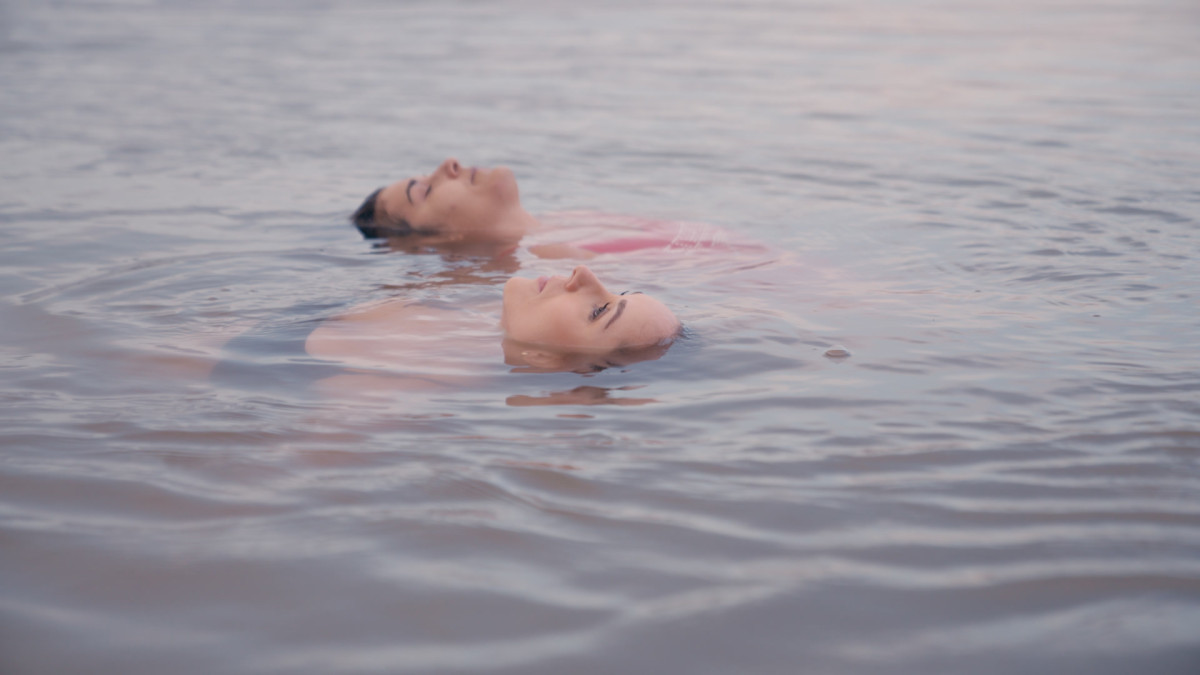
How did you come up with the title Something Familiar
The working title was "One of Us" but then I came up with "Something Familiar" - which I loved due to its multiple meanings. I love the idea of resonant language. I had previously made a video art installation - within in an actress is lip syncing to the words spoken by a sex worker from Middlesbrough (where I live). The final words of the piece are: “Sometimes you go back to what you know don’t you, because it’s something familiar”. It was perfect - and a nice continuation of the themes I explore in so much of my work. I also love it because it reminds me of a Miranda July title. I love those titles that get more complicated the longer you sit with them.