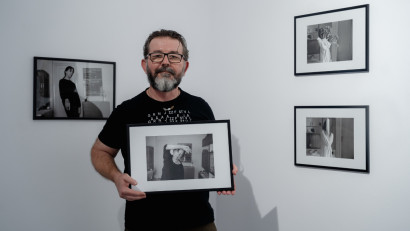

Documentary film, conceptual photography, and performances. Mircea Sorin Albuțiu enjoys everything he does. And he does a lot. He has published four photography books and made four films so far, and he is currently working on a project about the lives of Roma and Tatars.
Mircea is invited this year to Bucharest Photofest, which will take place from October 10 to 19. This year's edition is themed Legacy and proposes an analysis of visual memory, cultural heritage, and continuity in an ever-changing artistic landscape.
"School, individual study and practice are important. But I think solutions are more important than advice – in the sense of working on projects that represent you and that excite you", says Mircea.
In the following lines, Mircea Sorin Albuțiu talks about his departure to Portugal and his adaptation to the artistic scene there, his photography, his projects, and the extreme experiences from his travels.
Your photographic and film journey
In 2010 I took a history of photography course and started working on what later became the book Chocolat après ballet. I really enjoyed the backstage experience and I still do, especially at the Gărâna Jazz Festival, where I’ve been photographing since 2012. In the meantime, I’ve published four photo books and made four films.
The move to Portugal
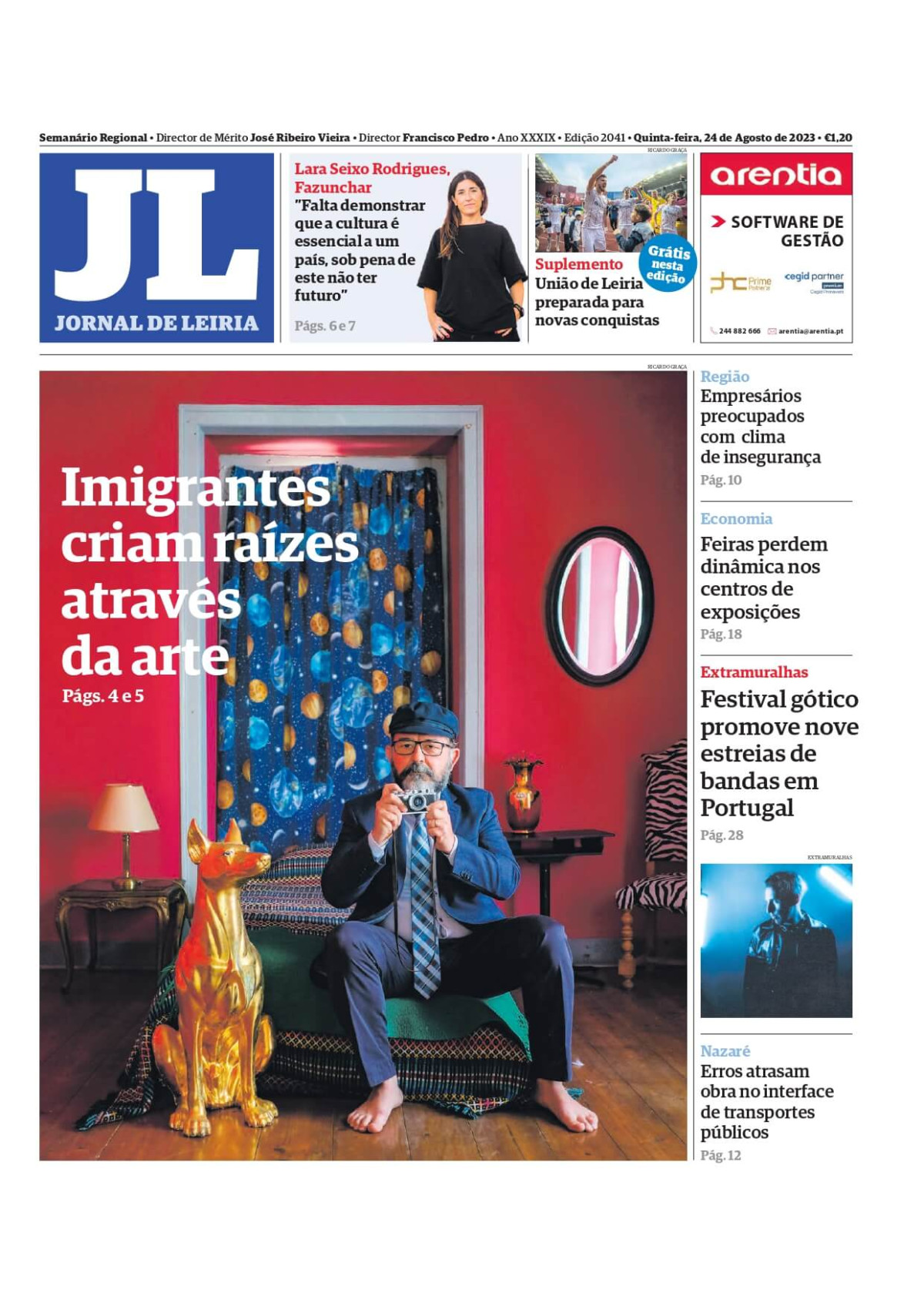
I was invited to exhibit in Portugal in 2017 and 2019, and in 2020 I joined an artistic residency right in the middle of the pandemic, which turned into a prolonged stay. I felt I needed a change to save my artistic life, so in 2022 I decided to leave Romania. Portugal welcomed me warmly and without pretension, exactly how I like it.
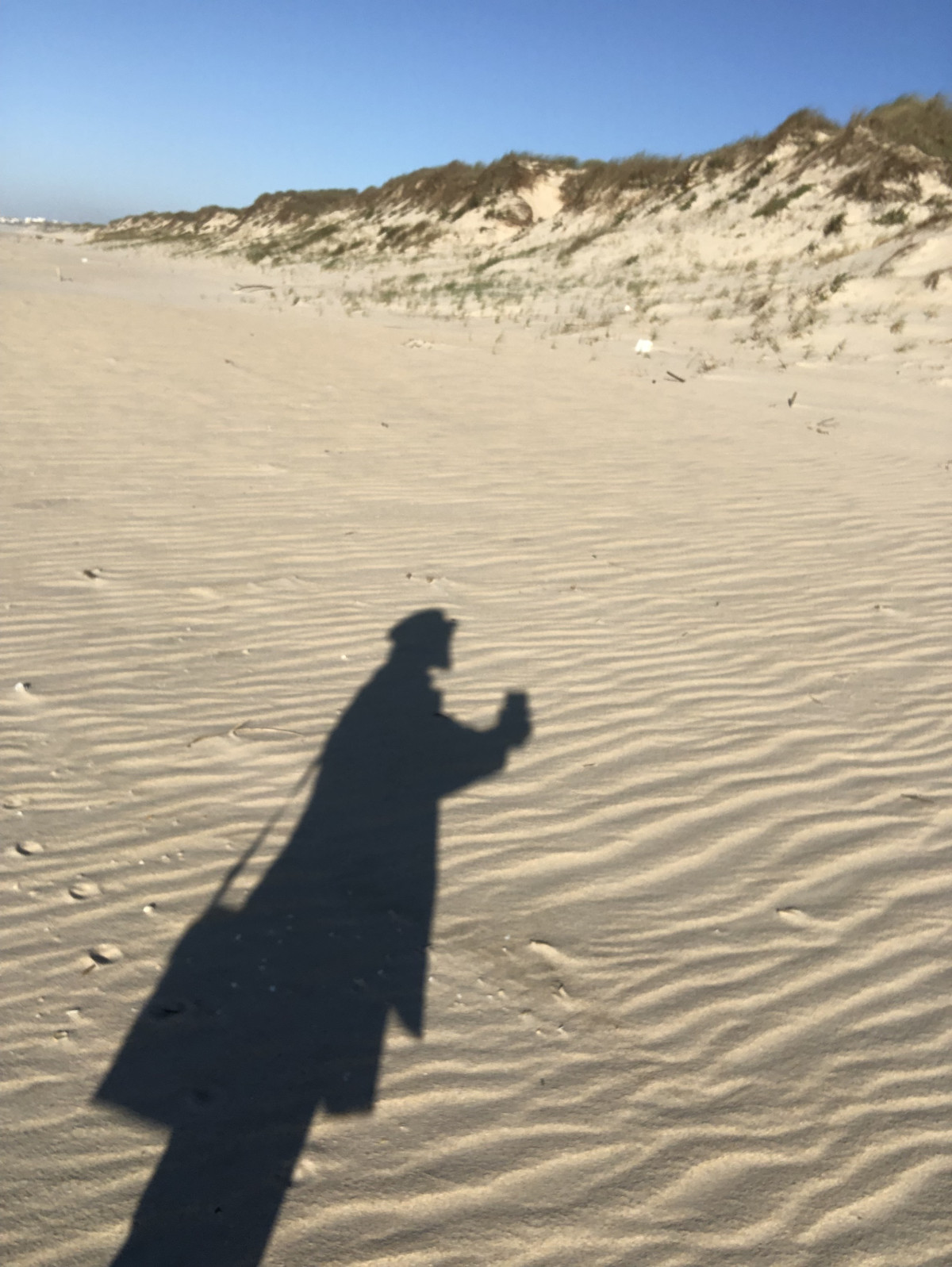
Artists here face the same financial struggles as everywhere else. Since 2022 I’ve been part of an artistic association in Lisbon. In 2024 I participated in a group exhibition with four other foreign photographers living in Portugal. The theme was “Portugal seen by foreign photographers living here,” and the target audience was Lisbon tourists. In December 2025 I will present New Energy in Lisbon – an exhibition, two film screenings, and a photo book presentation from my portfolio.
Documentary film, conceptual photography and performance. Which of the three fits you best?
I’m simply someone who enjoys what he does. :)
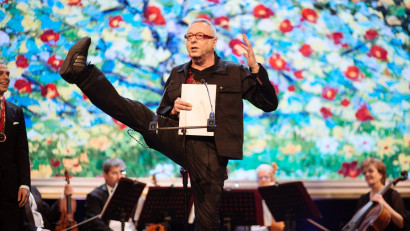
I think Gigi Căciuleanu put it best in a poem he wrote about me:
“The photographer-poet
searching for stardust
through the secret dust
of backstages, digging through good and bad
in the madness of dreams”
Adnana Cruceanu also wrote:
“Known for capturing the unseen in life’s backstages.”
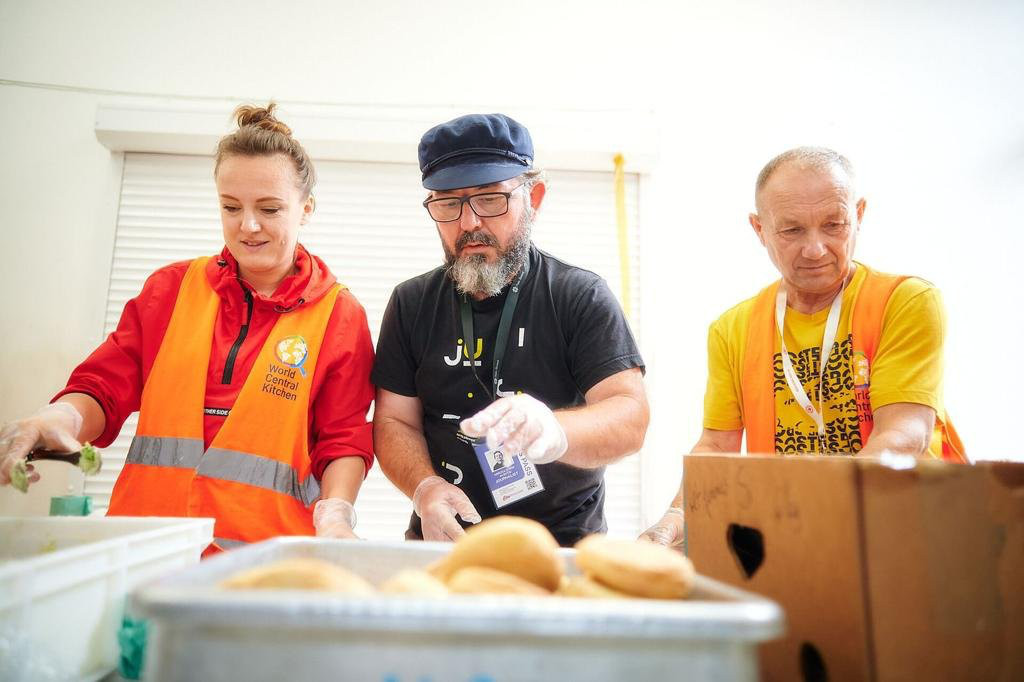
And Bogdan Ghiu described me like this:
“Mircea Sorin Albuțiu is a photographer, an artist-researcher from Central and South-Eastern Europe who travels extensively and endlessly, practicing, exploring, and experimenting with the forms of journey-photography, with the relationship between photography and lived space – space that is worked, shaped, occupied, and mastered by people: historical space. Places and their people, people and their places – or how space becomes place and path. In all his projects, the camera doesn’t just ‘catch’ or capture images, but enters into relation, embeds itself, becomes a dispositif, engaging existentially and vitally with places and journeys, in other words, with the people who civilize space which, as such, ‘in itself’, is a desert, a non-place (cf. Marc Augé). Photography becomes one with the place, becomes the place itself.”
How important was school for what you do
School, self-study, and practice are important. But I believe solutions matter more than advice – meaning: to work on projects that represent you and that you approach with enthusiasm. Personally, I worked on long-term projects that allowed me to grow professionally: eight years at the Cluj Opera, nine years in the Danube Delta, jazz backstages since 2011 – just a few examples.
Your photo books
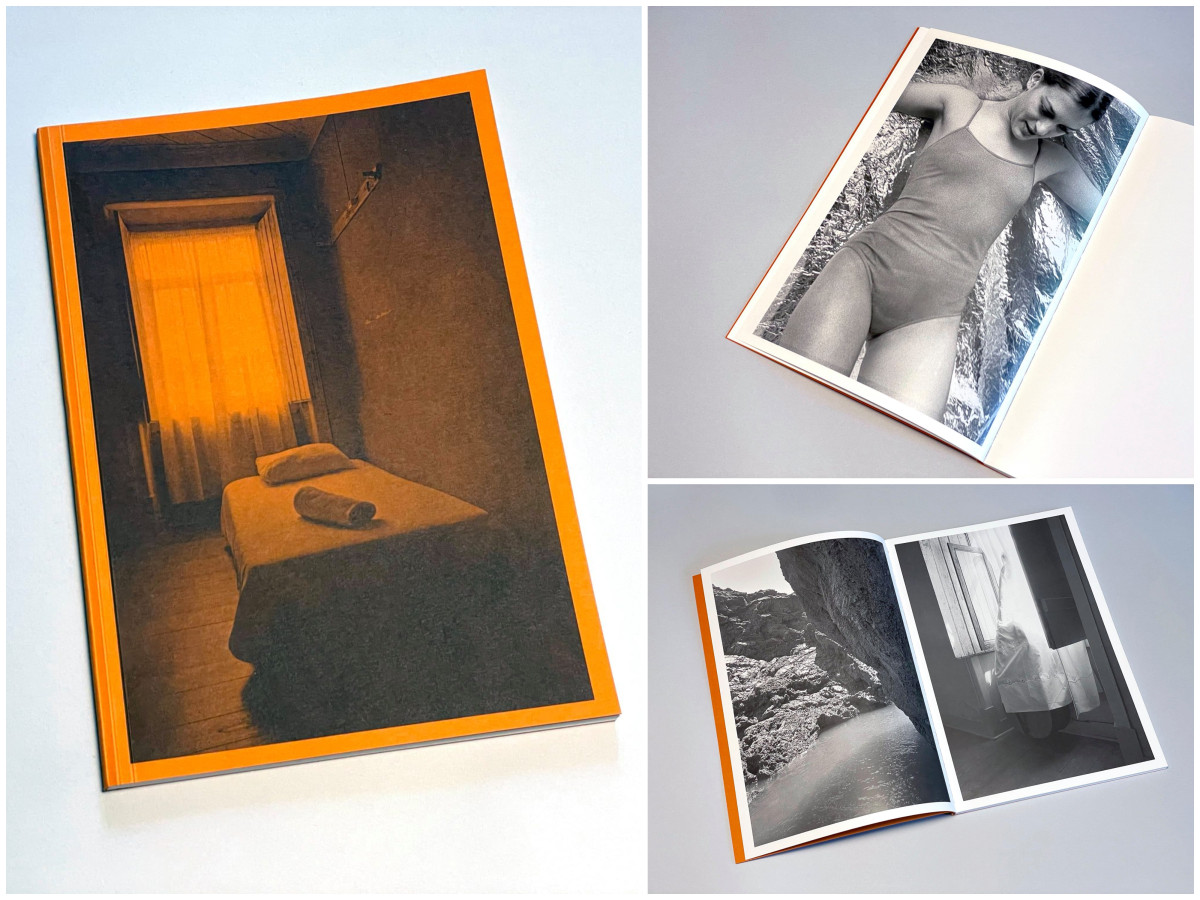
Each publication has its own importance. Rasto because it was born during the pandemic, in a dystopian time. Chocolat après ballet for the unique chance to see ballet backstage and to work in that warm and creative environment.
Framing A Romanian Landscape because I rediscovered Romania (from the train) with “different eyes” over the course of 12 months. And The Host / Gazda, because I’ve always been drawn to ethnic minority communities – I myself come from Valea Viilor, a Saxon village in Transylvania, where I learned German better than Romanian.
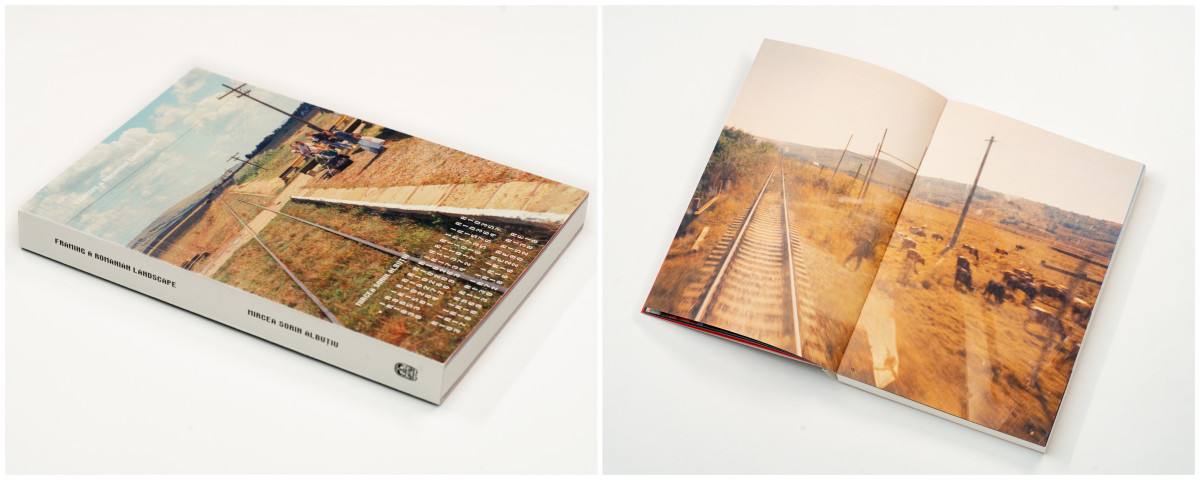
I think Gazda had the strongest impact. Many told me it’s a meditative, Tarkovskian book. That makes me happy, because that’s exactly why I keep returning there – for that atmosphere. Another great outcome is that I became close friends with the host, with khozyain, with Vasile Sergheivici Serbov from Sfiștofca.
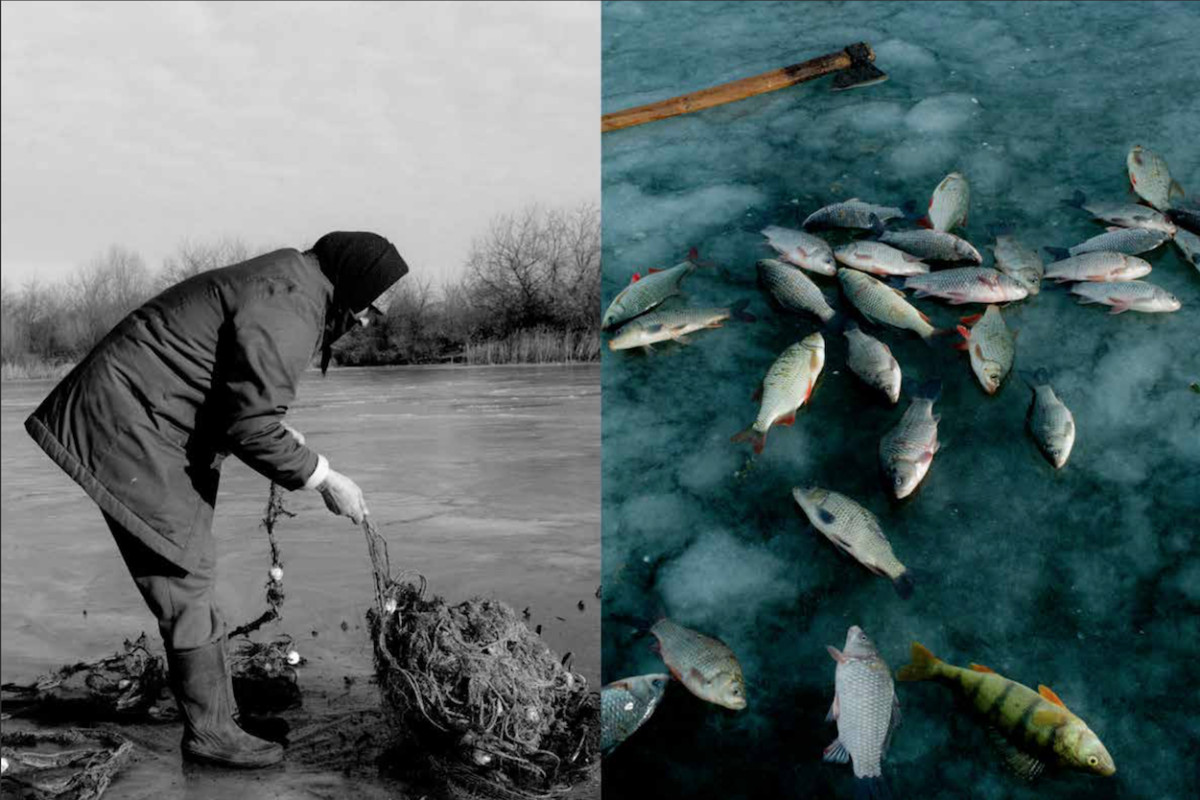
Framing A Romanian Landscape and The Host / Gazda are both nominated at the Local Design Awards 2025. Andrei Becheru worked on editing & design, and Fabrik did the printing – both in 100-copy editions.
How do you relate to AI & social media
I use Instagram and my personal website for portfolio. I learn every day how to navigate through information, I use all the resources I know, and I turn to specialists whenever needed.
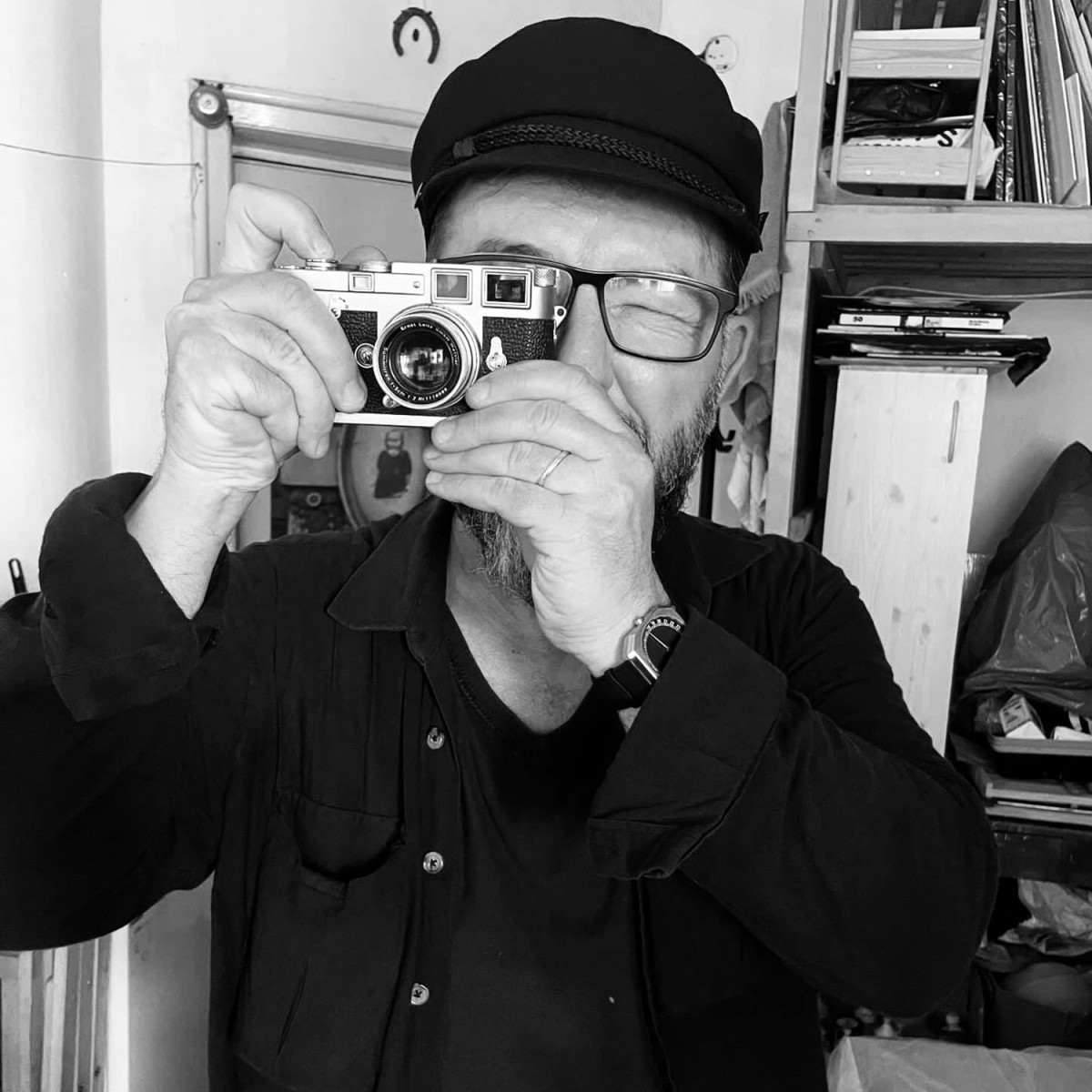
Photo credit: Răzvan Neagoe
Extreme experiences during your years of documenting
Yes, two – both linked to war. Eight days of filming in Ukraine in 2022 took me through every possible emotional state; I can hardly describe it. Then, a scene on the Bucharest–Arad train in 2024: a couple in their seventies, Ukrainian refugees, visibly scarred by the war. The man took out a piece of lard and bread from a plastic bag, placed them directly on the train’s small table (we all know how “clean” trains are), cut the lard with a pocket knife, and ate. It was a scene that 100% embodied despair. They were at the end of their strength – nothing else mattered anymore.
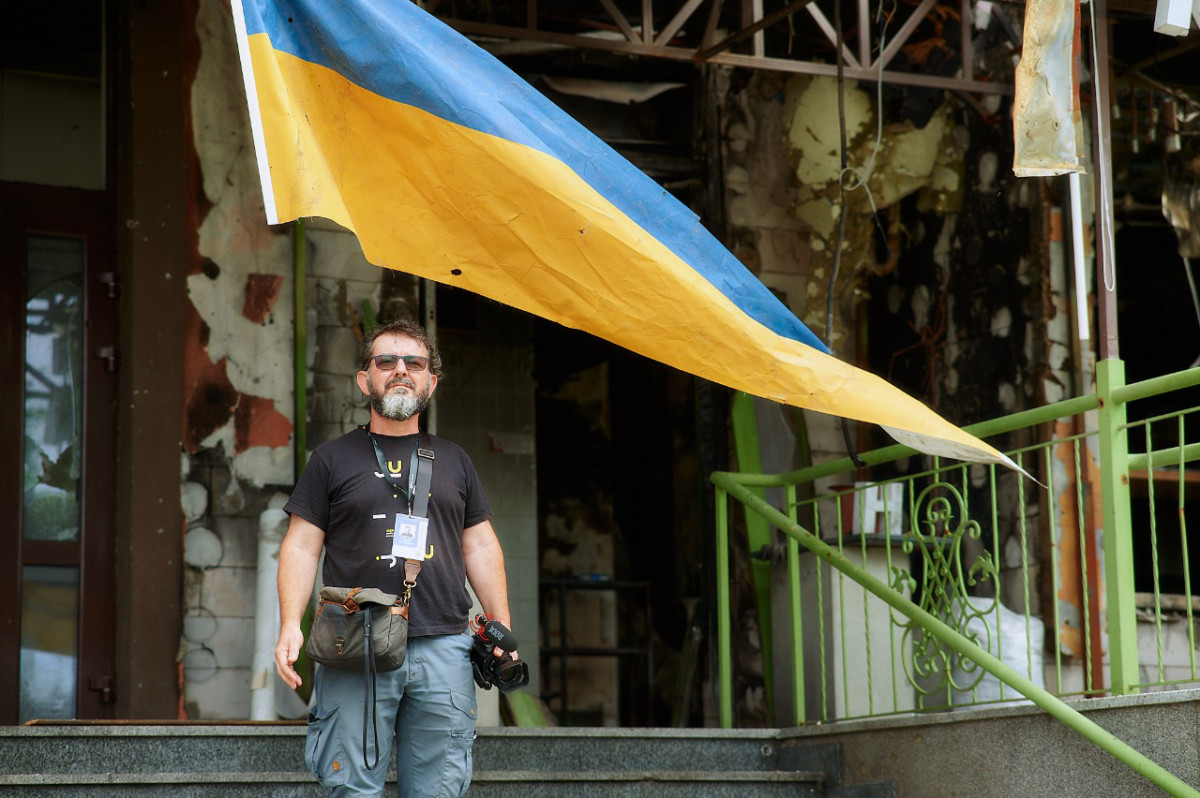
Photo credit: Ievgen Vorontsov
Working on Zarafe
Zahra is a 22-year-old artist living in Iran, facing difficulties in all areas of life – artistic and otherwise. ZARAFE is a metaphor for the resilience of the Iranian artist, who creates and survives through art in daily routine, constantly fighting emotional battles, yet managing to grow and flourish. Internal and external restrictions become nothing more than a place for evolution. ZARAFE is an essay about hope, resilience, and love.
Iran remains one of the most profound experiences of my life. I can’t wait to return and explore more.
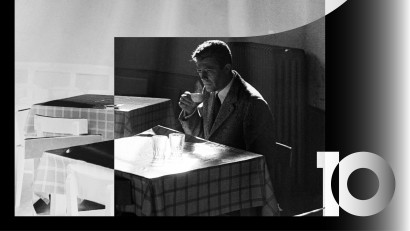
I should also mention An Encounter with Jazz, a film about choreographer Miriam Răducanu, who sacrifices her sleepless nights, invents characters through her dance, recalls a life of passion and betrayals, and with her last dance, offers a “So what” to the world.
“Miriam Răducanu (b. 1924) revolutionized modern dance in Romania through the way she brought together arts like poetry and music, united through the force and message of a unique gesture language.”, CNDB.
Your expectations from this edition of Photofest
I like unsophisticated, relaxed events. I look for good, revealing content (wink!). Photography keeps evolving, just like film – and that’s great.
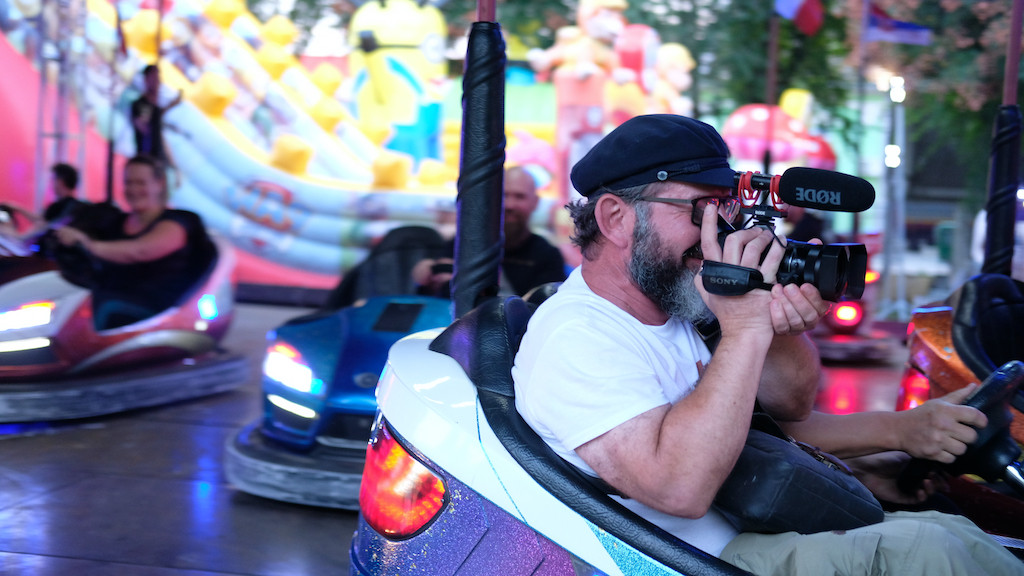
Photo credit: Radu Piloca
What are you working on now
I still have two projects in progress in Romania: The Road That Runs From Aqmescit, about the Tatars deported from Crimea, and Chai Bari, about early marriages in Roma communities. In Portugal I’m finalizing a conceptual installation about the Lis river in the Leiria area where I live. In 2024 I filmed a short film in southern Turkey, Satilik, for which I’m now looking for a producer.
Here are the people I continue to work very well with:
- Alexandra Băbău – film editor
- Matei Vasilache – sound design
- Andrei Becheru – book editing & design
- Maria Bălănean – film editor