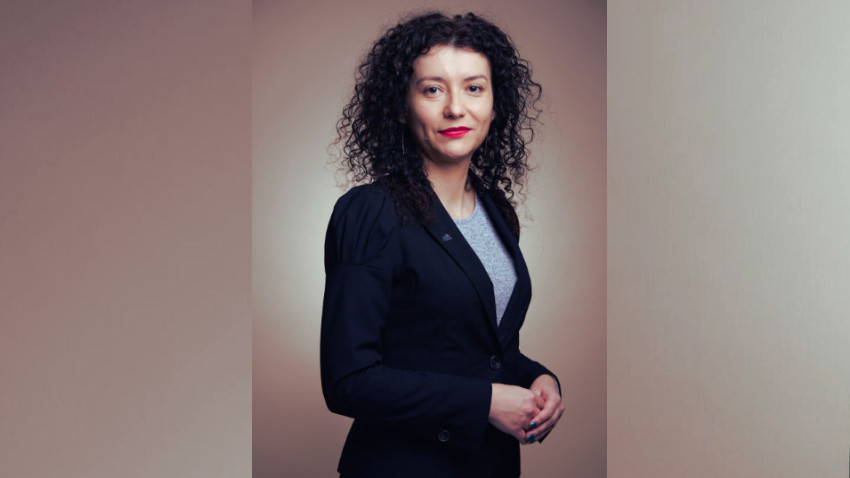

Born in Australia and initially trained in documentary filmmaking, Kitty Green has moved seamlessly between non-fiction and fiction while maintaining the same creative approach – close observation and a belief that truth is often found in the details.
At the age of 11, she received a video camera as a birthday gift and began making films with her toys in the backyard. She always knew she wanted to become a filmmaker and, with the making of her first documentary, she discovered that cinema could be a way of documenting ideas and revealing deeper truths about the society we live in.
„I love when a film is deeply personal and authentic to the filmmaker’s voice and experience. I think those truly personal and unique stories are the most relatable. I think the best work divides audiences and ignites discussion and debate and doesn’t just aim to please or distract. I hope to keep making provocative work that gets people talking”, says Kitty.
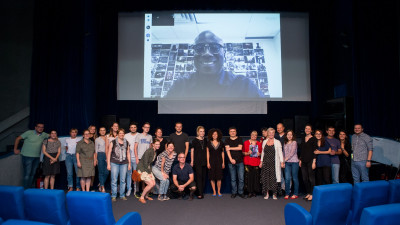
Kitty Green’s presence at the tenth edition of the American Independent Film Festival is no coincidence. Taking place in Bucharest from June 5 to 11, this year’s festival dedicates a Focus section to her work, showcasing two films that have been pivotal to her artistic journey, „Ukraine Is Not a Brothel” and „The Assistant”, alongside audience Q&A sessions.
From one edition to the next, AIFF has sought to spotlight filmmakers who work outside the industry’s most comfortable formulas, and Kitty Green fits naturally within that tradition. Her films are political without being didactic, feminist without turning into manifestos, and unsettling without relying on easy effects.
In the conversation that follows, we talk about documentary and fiction, the influence of Chantal Akerman and her admiration for Cristian Mungiu.
About you, for audiences discovering you now at the American Independent Film Festival
When I was 11, I asked for a video camera as a birthday present. I started making films with my toys in the backyard and was instantly obsessed. I am an Australian filmmaker who worked predominantly in the USA. I started out in documentary filmmaking, making my first feature length documentary in Ukraine, but moved into hybrid filmmaking, a combination of fiction and nonfiction, and then into pure fiction filmmaking. My films are political but I aim to make them enjoyable first and foremost.
The journey toward filmmaking and creative expression
My mother is a stills photographer and she made work about domesticity and femininity and would definitely use this medium to express herself. I would say that this inspired me too but I was always drawn to the moving image. In making my first documentary, I was able to document ideas and truths and create work that amplified my voice, that of young woman. I was excited by this process and continue to make films about women’s rights to this day.
The moment when you realized you wanted to direct, rather than simply work around film
I always wanted to direct. I study narrative filmmaking at film school in Australia and the course was focused on directing. I learned to edit in that course too and I do enjoy editing as I think a lot of what will become the final story is born through the editing process. Directing though is the most exciting for me.
Filmmakers, artists, or visual influences that have shaped you the most
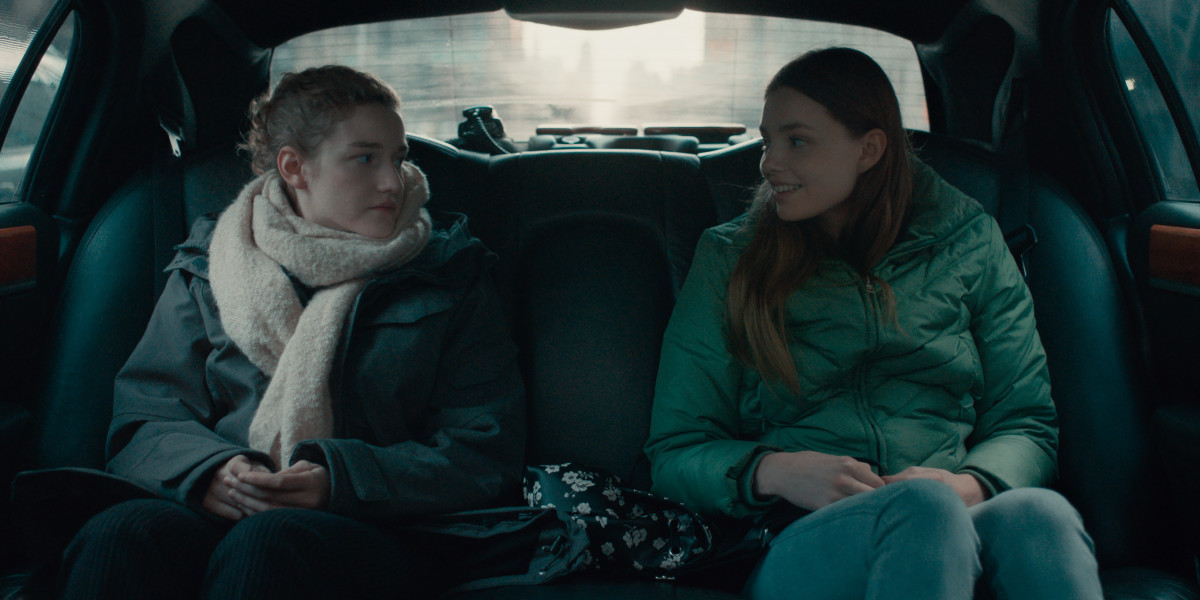
The most important film influence on my work is Chantal Akerman’s Jeanne Dielman. I was shocked the first time that I saw it. It was the first time I had seen feminist filmmaking being presented in such a radical but elegant way. Jeanne Dielman was a huge influence on my first fiction feature The Assistant. I am in Bucharest because I am a huge fan of Cristian Mungiu. 4 Months, 3 Weeks, 2 Days was a big influence on my work and on The Assistant too. The film has a tension to it that made it riveting. The tense engine that drove that work is something I strive to create in all of my fiction works.
The psychological power of space in your films
For some reason, I have found myself drawn to workplaces lately. I’m not sure exactly where the desire comes from. I guess when I’m making a film, I like to draw from my own experiences and these are places that I’ve found myself in. I also like to find the terror in the everyday and in the banal. I achieve this with a real attention to detail in form. I like to use soundscapes created from sounds native to each location in order to create tension (for example in The Assistant, the sound design was a mix of the low tones of photocopy machines, the hums of fluorescent lights and the constant ringing of phones etc.) It’s a surprisingly effective way of creating tension.
Your characters navigate apparently normal systems that become toxic. What interests you?
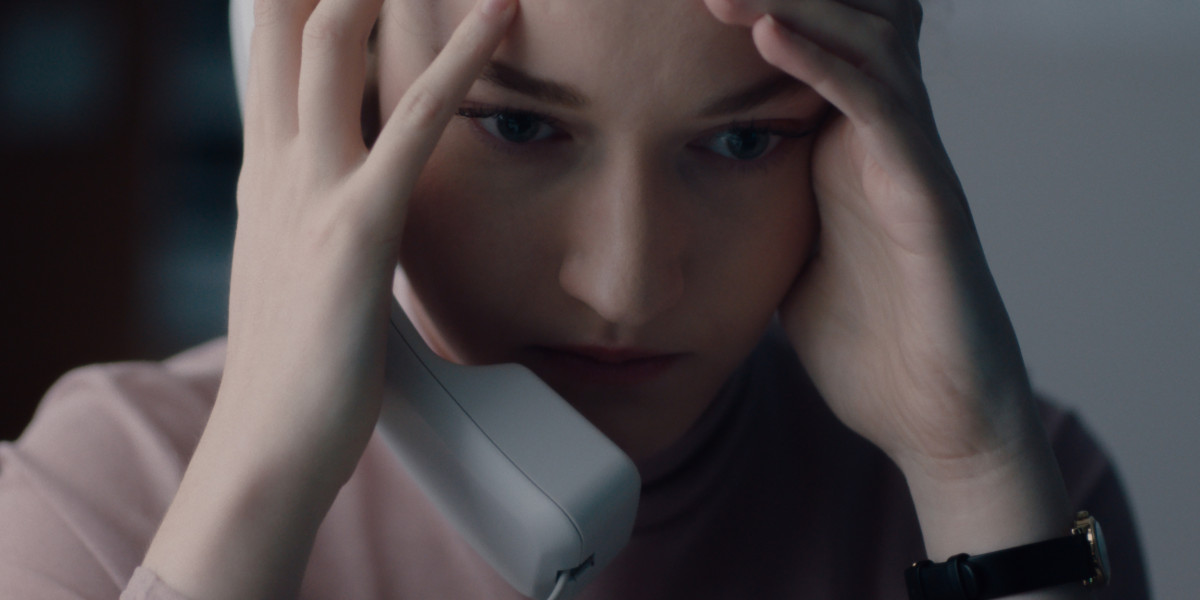
My hope is that if we can call out bad behaviour early enough, or earlier than we normally would, than we can prevent it from escalating into something more horrendous such as abuse or assault. If we can have conversations about the often unnoticed and unseen behaviour that makes us, particularly women, uncomfortable, and if there is space and platforms for these conversations, then that will make our workplaces and environments safer and prevent harassment and abuse.
Power dynamics and human interactions in your films
My first feature-length documentary, Ukraine Is Not A Brothel, followed a topless feminist movement FEMEN in Ukraine. In shooting their protests and learning about their movement, I was exposed to hierarchies and power dynamics, that I’m not sure I was aware of as a young women growing up in a progressive area in Melbourne. This experience shaped not only my awareness of the world around me but also my understanding of my own work as a filmmaker. I realised that I had a tool, that of filmmaking, that could highlight issues that often go unnoticed and ignored. I could use film to amplify these themes and get audience to understand hidden hierarchies and structures.
„Ukraine Is Not a Brothel” and the relationship between feminism, spectacle and representation
FEMEN was a unique and singular movement. They were a topless feminist movement fighting for women’s rights run by a male leader. Everything about the movement was contradictory and yet they had a great impact, and still do to this day (mostly based in Paris now). The spectacle, for them, was a method of raising awareness of issues that they cared about and it definitely created headlines!
Your relationship with documentary filmmaking after that experience
There were a lot of journalists coming through Kyiv at the time I was filming who would say to me “Don’t get too close to them” implying that trust and that closeness would destroy my ability to remain impartial and make a good film. I think getting close to them was the only reason that I got the true story. I was very close to all my documentary subjects and always stayed in touch with them long after the film was made. I think trust between the subjects and the filmmaker is key to documentary filmmaking.
How „The Assistant” idea became a movie
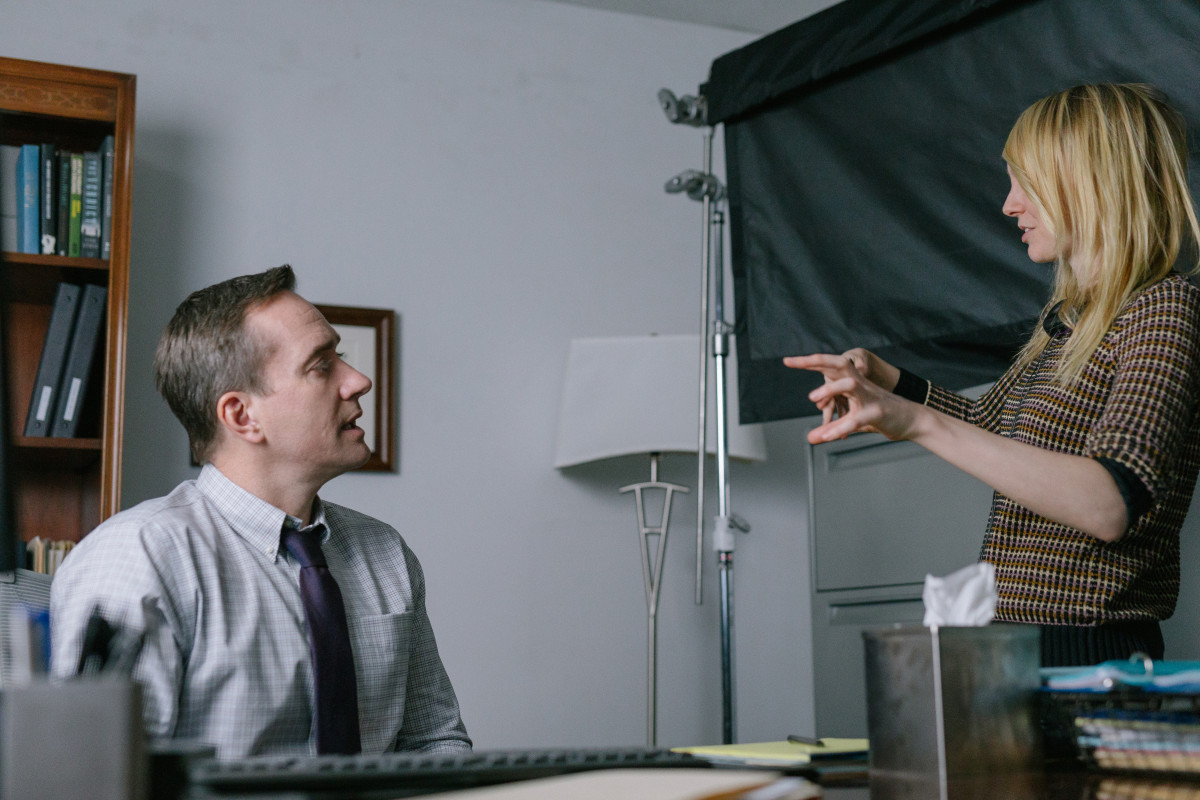
When the Harvey Weinstein story broke, I contacted a friend of mine who worked there and started asking questions about the working environment and culture at the office. He put me in touch with a lot of former assistants and executives from The Weinstein Company and in interviewing them about how that kind of behaviour was allowed to go unchecked, I was struck by gender imbalance amongst the former employees - all the men that I spoke to were all in positions of power (the heads of companies etc.) and the women I spoke to mostly all still assistants and some had left the industry completely. I started asking questions not just about the abuse in the film industry but what created such a toxic work culture and a system that was structured against women.
Building tension in a film where violence or conflict is not necessarily explicit
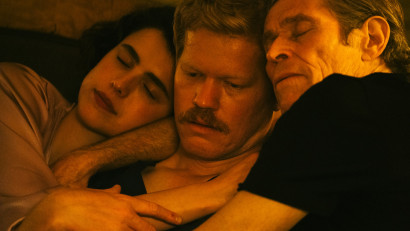
I don’t think you need to see the violence to understand the threat of it. And it is the threat of that violence that drives the tension of the film. In The Assistant, we chose to not show the lead character’s abusive boss, as her discomfort was enough to portray his abuse of power. I find that tension can be built through the performance but also the cinematography, eg. the claustrophobia of the space, and the pacing and editing. Sound design and score are the greatest builders of tension for me and I enjoy building soundscapes out of location sound that add dramatic emphasis to a scene.
What were you most interested in bringing to the audience through this film?
I wanted people to walk away thinking about the power structures and gender imbalances in their own workplaces. I am surprised actually by how many people in Hollywood have seen this film. It’s a great thing that a film about gendered work environments was exposed to so many. I have had many people come up to me and say that they will think about the way they treat their assistants in the future and many young assistants, not just in the film industry but from all over, have told me that they felt seen by the film after feeling invisible in the workplace for so long.
Celebrating Independent Voices at the American Independent Film Festival
A lot of the studio work these days is driven by algorithms and not by lived or personal experience. I love when a film is deeply personal and authentic to the filmmaker’s voice and experience. I think those truly personal and unique stories are the most relatable. I think the best work divides audiences and ignites discussion and debate and doesn’t just aim to please or distract. I hope to keep making provocative work that gets people talking!