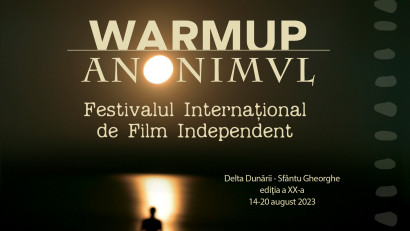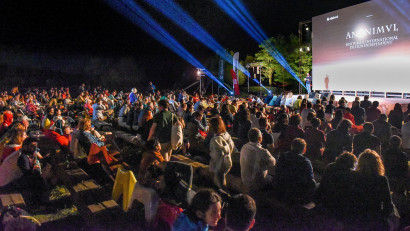

This summer, at the ANONIMUL Festival in Sfântu Gheorghe, among films from all over the world, one went home with the Grand Prize, and with a story that Romanian audiences recognized, even though it comes from a society seemingly very different from our own.
„Kurak," the debut feature by Kyrgyz director Erke Dzhumakmatova, brings together fragments from several real tragedies of women confronting violence, injustice and abuse of power. The screenplay blends reality with fiction precisely so as not to turn the viewer into a mere witness to someone else's suffering.
The film was born out of two events that deeply marked the director: the Feminnale exhibition, violently shut down after public protests, and the march from 8th of March, during which participants were attacked under the passive gaze of the authorities. Out of these, Erke Dzhumakmatova built a film that refuses to divide the world into victims and villains, and which, she says, works as a mirror in which Kyrgyz society can look at itself.
"We didn't want to make a film that constantly demanded pity from the viewer. While working on the script, one of our main ethical principles was precisely the refusal to exploit trauma", says Erke.
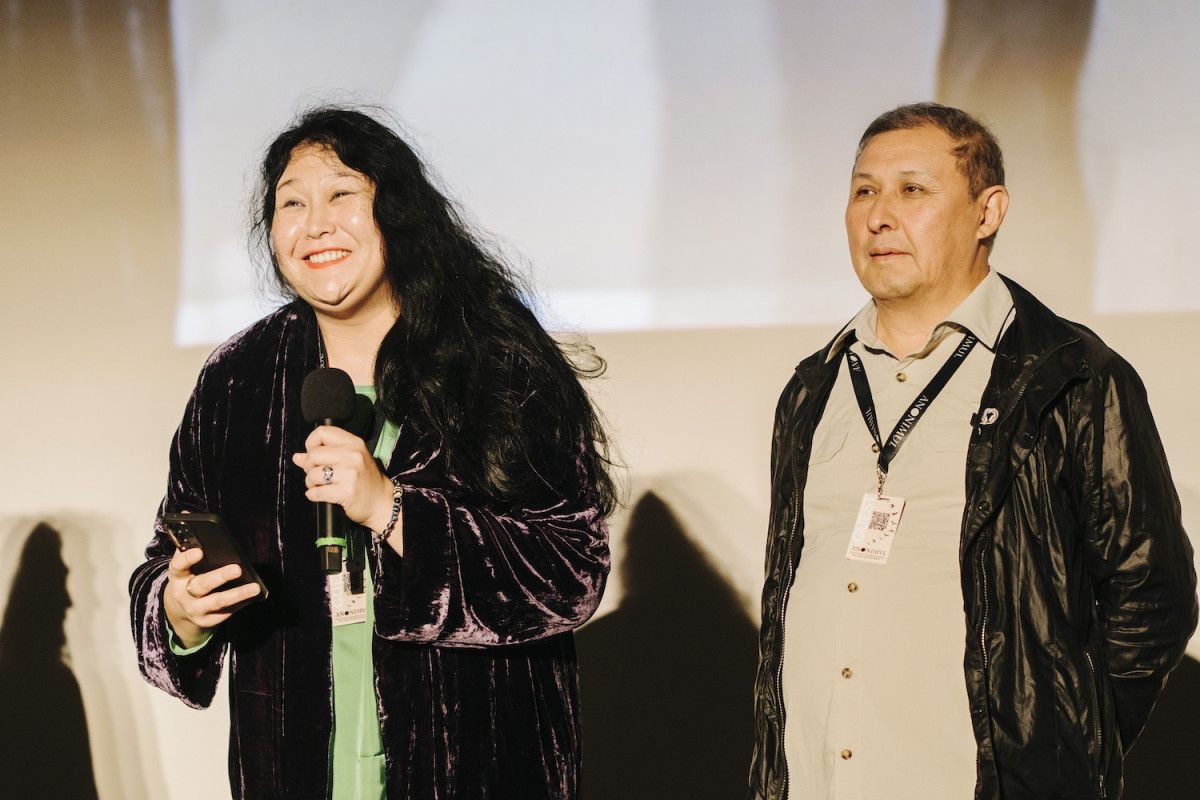
We spoke with director Erke Dzhumakmatova about the moment when filmmaking stopped being just a profession and became her way of questioning the world, about the humor that survives even in the hardest stories, and about what it meant to her to see „Kurak" received so warmly by the ANONIMUL audience.
The retrospective of the 23rd edition of the ANONIMUL International Independent Film Festival will take place between September 2 and 6 in Bucharest, at Cinema Elvire Popesco, and in Timișoara, at Cinema Studio terrace. On September 4 and 5, the festival's films will also reach the A Lu' Escana cultural hub in Porumbacu de Sus, and on September 5, the Ivan Patzaichin Museum at Mila 23. „Kurak" will be screened in Bucharest and Porumbacu de Sus.
From your professional background
I have been in cinema for quite a long time, although I still consider myself to be at the beginning of my journey. My path was not very linear, and there were many different experiences that eventually brought me here. I studied and worked in different areas, and cinema gradually became the field where all these experiences could come together.
I think my professional formation is still ongoing. I am constantly learning, not only from cinema itself, but from people, from society, from my own mistakes. Perhaps this is also why I don't like to separate the personal and professional parts of my life too strictly. What I observe around me inevitably becomes part of the way I think about cinema.
The point where filmmaking stopped being a profession and became a way of seeing the society
I don't think there was one particular moment when this happened. It developed gradually.
At some point I understood that making a film is not simply about telling a story. You inevitably make certain choices about what to show, what to leave outside the frame, whose perspective to take, and what you consider important. These choices already say something about the society you live in.
So cinema became a way for me to examine reality, including realities that people prefer not to look at. And sometimes it is also a way of questioning my own assumptions. I don't think an author should stand outside the society they are talking about. We are part of it, with all its contradictions.
Cinema as "an act of resistance, a form of peaceful protest"
I think I understood this through the subjects themselves. When you work with stories that concern violence, inequality, discrimination or the abuse of power, you cannot really pretend that cinema is politically neutral.
For me, resistance does not necessarily mean making a manifesto. Cinema can be much more powerful when it creates an emotional experience and makes the viewer confront something rather than simply telling them what they should think.
This is also why I continue to believe in the ideological, educational, social and cultural possibilities of cinema. The author has a responsibility for what they put into the world. This may sound somewhat old-fashioned today, but I still believe it very strongly.
Women confronting violence, injustice, and abuse of power
The film had been maturing for a long time. It was not a spontaneous decision.
There were two events that became important triggers for me. One was the Feminnale exhibition, which was violently criticized and eventually closed after a performance by an artist. The museum director was fired, and the organizers were threatened with physical violence. Afterwards came the March 8 rally, where participants were attacked by so-called “moral guardians”, while the police detained some of the people who were actually being attacked.
These events made something very clear to me: this was not about isolated incidents. There was a much larger system behind them. Kurak was born from this realization, but the story itself is stitched together from many real tragedies rather than one particular case.
Working with reality and fiction when writing the screenplay
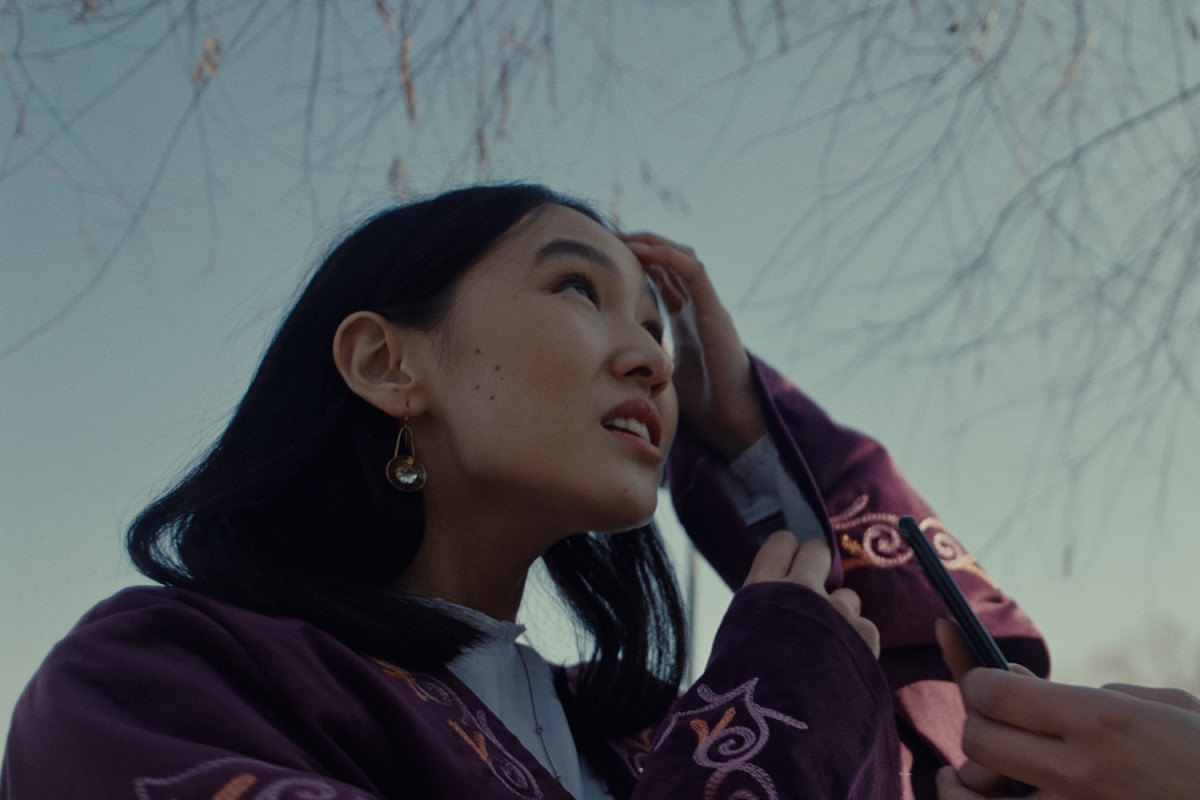
The film is based on reality, but I was never interested in simply reproducing reality on screen. There is already enough violence in real life; I didn't want to reproduce it literally and turn the audience into spectators of someone else's trauma.
While writing the screenplay, we combined different real stories and transformed them into a fictional structure. Fiction gave us the possibility to create connections between experiences that happened to different people and to look at the mechanisms behind them rather than at individual cases.
For me, the important question was not simply: “What happened?” It was: “Why does this keep happening, and why does society continue to accept it?”
That is where fiction became useful to me.
The importance of humor in telling a story about violence, inequality and survival
Humor is part of reality, I think. People don't stop laughing because they are living through difficult circumstances. In fact, sometimes humor is one of the mechanisms that allows people to survive those circumstances.
We also didn't want to make a film that constantly demanded pity from the viewer. While working on the script, one of our main ethical principles was precisely the refusal to exploit trauma. We deliberately avoided explicit, naturalistic violence and concentrated more on its consequences.
So the humor is not there to make the subject lighter. It is part of the same reality. Life can be absurd, funny and terrifying at exactly the same time.
What mattered to you in the way you constructed the female characters
It was very important for us not to reduce these women to victims. Vulnerability does not mean passivity.
We wanted to show the invisible, everyday forms of vulnerability that women experience: the constant internal tension, the fear for one's body, safety and reputation, the necessity to calculate every decision. These things may not look dramatic from the outside, but they can completely determine a person's life.
At the same time, we did not want to divide the world into “bad men” and “good women”. Our intention was to look at a system and at the mechanisms that allow violence and control to become normalized.
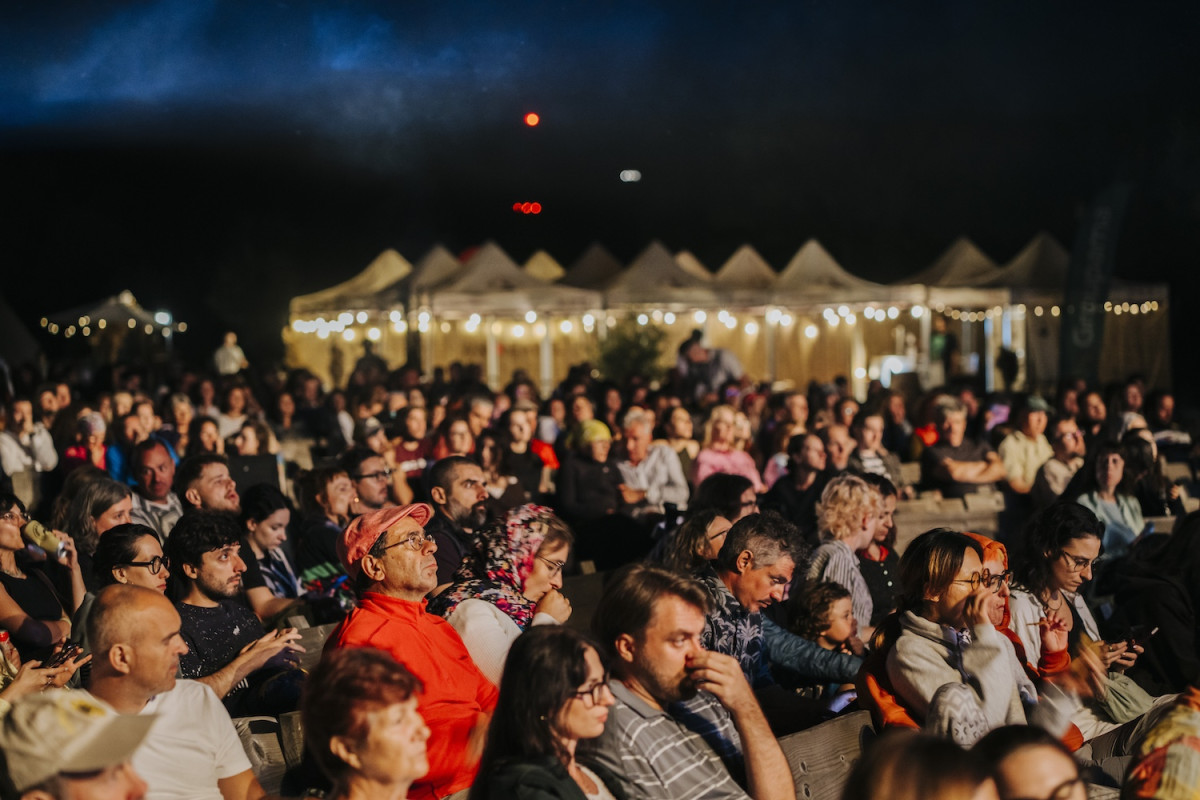
Photo credit: Sabina Costinel
What making „Kurak” let you see about the position of women in Kyrgyzstan, rarely addressed this directly in local cinema
I think the most important thing was understanding how much of this vulnerability has become normalized.
Violence does not necessarily begin with a physical act. It can begin with constant pressure, control, fear of public judgment, silence, and the expectation that a woman should simply accept certain things because they are considered part of “tradition” or “mentality”.
These mechanisms are not exclusively Kyrgyz. This became especially obvious to me when we showed the film abroad. Audiences in different countries recognized themselves in it, because the mechanisms of female vulnerability are remarkably universal.
So while Kurak is very specifically rooted in Kyrgyz society, I don't see its subject as exclusively Kyrgyz.
On the collaboration with partners from different countries
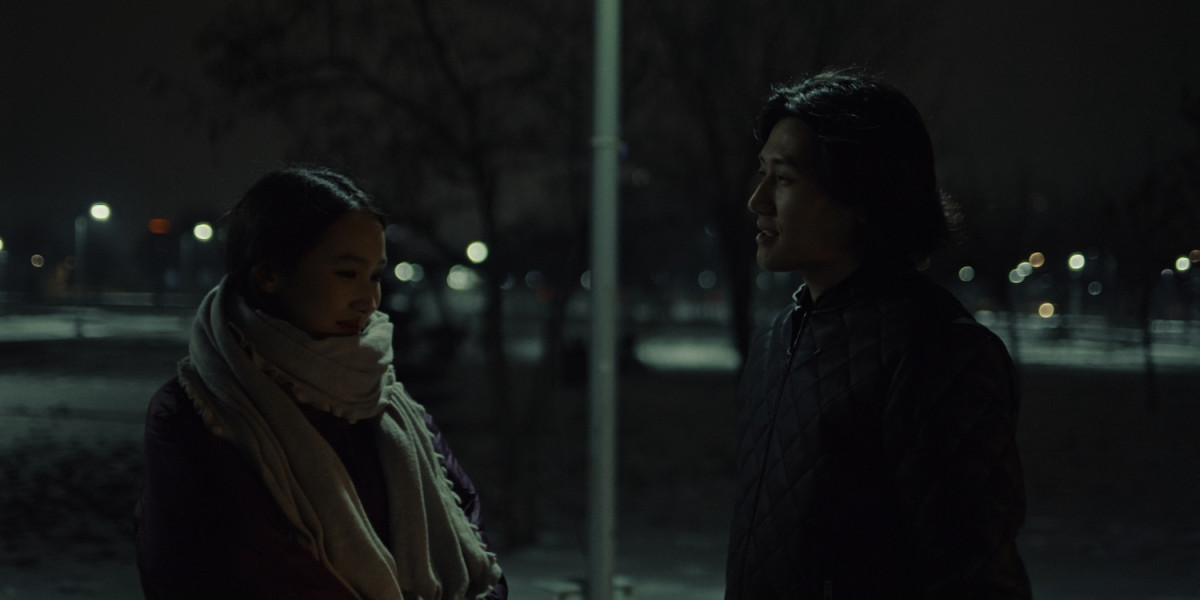
We were very lucky with our partners. They immediately understood the story because, although it is deeply rooted in Kyrgyz society, its themes are universal. So we did not feel that we had to explain or justify the film simply because it came from Kyrgyzstan.
International circulation is extremely important for a film like this, especially when its access to its own audience is restricted. At the same time, I think the first and most important audience for Kurak remains Kyrgyz society itself. The film was born from within that society and was made, first of all, so that it could look at itself as if in a mirror.
For me, international recognition is valuable, but it cannot replace the possibility of speaking to the people the film is actually about.
Your presence at ANONIMUL Festival in Romania
What stayed with me most was the direct encounter with the audience. For a film like Kurak, this is extremely important because the film is not meant to be a manifesto that you simply present and then leave behind. It needs to create an emotional response and, ideally, a conversation.
I was also very touched by the atmosphere of ANONIMUL itself. There is something very particular about watching films in a place like Sfântu Gheorghe, surrounded by nature and removed from the usual rhythm of a city festival. You have more time to talk to people, to watch films, and to think about what you have seen.
And for an independent film coming from Kyrgyzstan, every such encounter is important. It creates a possibility for the film to exist beyond the circumstances in which it was made.
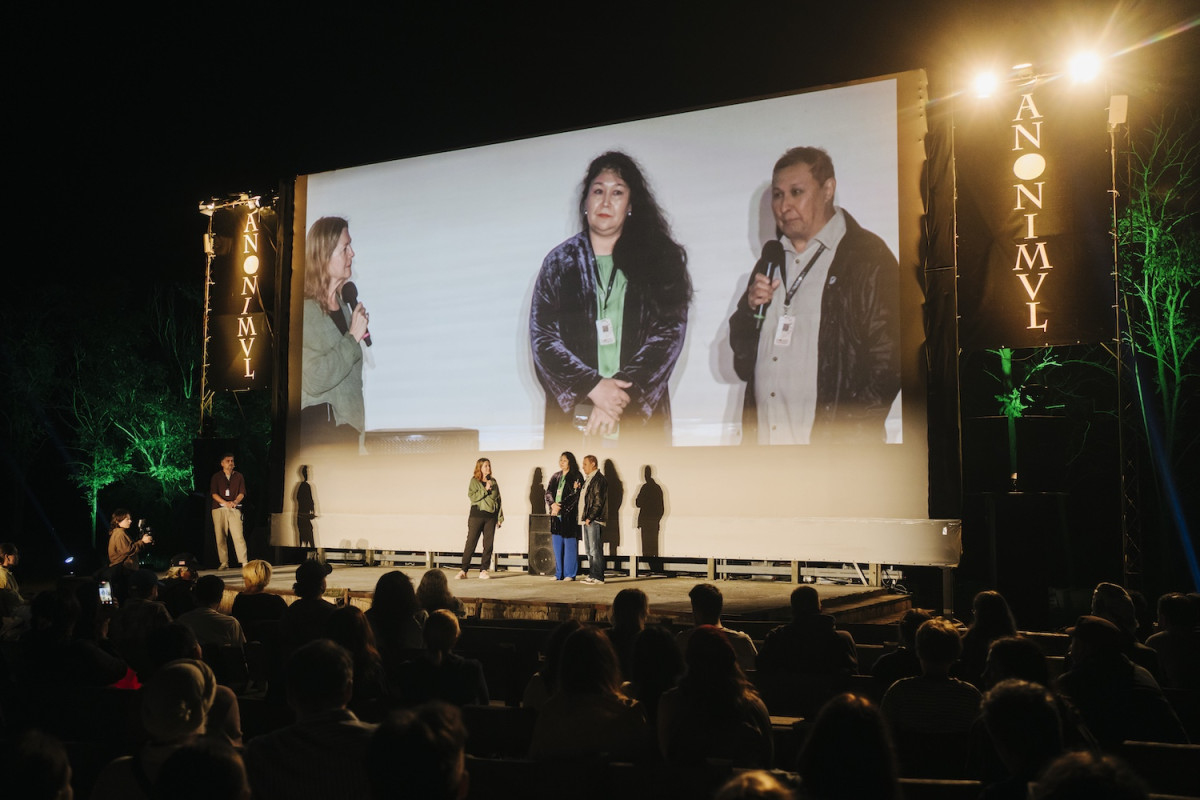
Winning ANONIMUL’s Grand Prix
It meant a lot to me, perhaps more than I can properly explain.
The film was made for people. So when the audience itself chooses it, this is probably one of the most direct forms of recognition an author can receive. Especially with Kurak, because the film is quite emotionally difficult and deals with subjects that are not comfortable.
I was also very happy because the film was created specifically for an audience that could recognize these realities, and then we discovered that people in Romania could recognize themselves in it as well. This confirmed something I already believed: that although the circumstances may be different, the mechanisms of violence, fear, control and silence can be universal.
And, of course, after everything that happened around the film in Kyrgyzstan, being received so warmly by an audience at ANONIMUL is particularly meaningful to me.