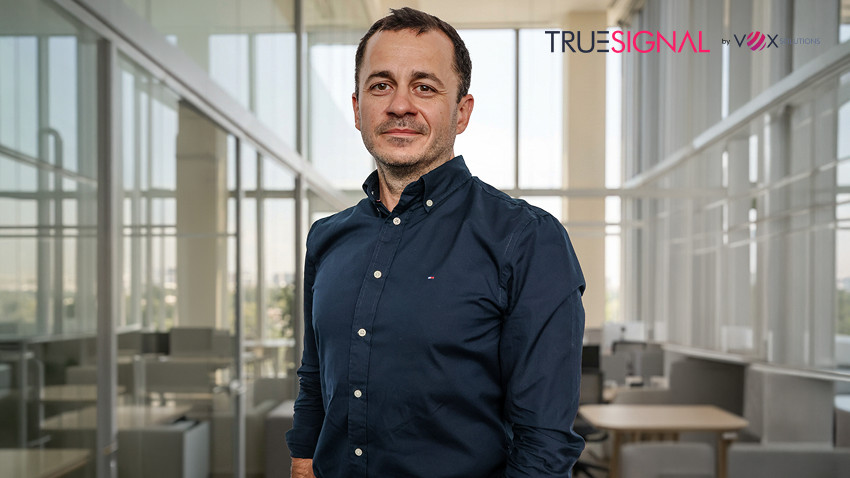

He founded an a capella group that is still active today, Penn Masala, and did an educational ping-pong on several continents before settling down in his home in the UK. He currently manages the careers of big names like Katie Melua and PJ Harvey. Sumit Bothra, Director of SB3 Artist Management, is coming to talk to us at Mastering The Music Business this year about how we can make the music community more united.
"My experience working within the record label system has allowed me to understand where the differences of opinion and priorities lie in the manager-label relationship, and I think that has prepared me well to manage in a more collaborative, friendly and kind way than my “role models”, says Sumit.
He believes that younger A&R people are looking for new talent, but with an eye on the numbers their bosses are asking for, so it seems like an increasingly hard battle to sign with a label. So he recommends that we pay more attention to what artists' managers do, because they hold the reins of their careers. His musical story below.
Your musical upbringing
My parents emigrated to the UK as doctors in the mid 70’s, and I was born in the city of Leeds in 1977. My mum and dad always listened to music at home and in the car, which was a mixture of classic Bollywood songs and the pop hits of that time. We moved to Riyadh, Saudi Arabia when I was 5, and I lived there until I was 11. All of the music in Saudi at the time was on pirated cassette tapes, and in the “world music” section of the local music shop, I found albums by Ozzy Osbourne, Iron Maiden, Bon Jovi, Skid Row, Alice Cooper, etc.
The first record I ever bought was Ozzy’s Ultimate Sin album when I was 9. We then moved back to England where I discovered early rave records by artists like The Shamen, Utah Saints, and Adamski, and then went to Virgina, USA to study when I was 16. There I learned about artists like Dave Matthews Band, Blues Traveller, Nirvana, NWA, Snoop Dogg, Pearl Jam, Lynyrd Skynrd, Phish, Grateful Dead, and so many others. I then went to Philadelphia to study at The University of Pennsylvania, which is where I became wholly immersed in Blues, Soul, R&B, Rap, Drum n Bass, Jungle, Trip Hop, House, Reggae, and everything else you can think of. During my first year at The University of Pennsylvania I created the world’s first Hindi a cappella group, Penn Masala, which still exists to this day.
How about SB3 Artist Management, what are the main ingredients of the company and how long was your road to becoming a director?
I started my career working for record labels - Virgin Records (at 19) and then Sony Music (at 20), before becoming an artist manager when I was 23/24. During my time at the labels, almost every manager I met was aggressive, dominant, and unpredictable. It was a dog-eat-dog mentality, and I didn’t find anything about it appealing. When I left Sony an established artist asked me if I would consider managing him. I explained why the job didn’t appeal to me, and his response was that I should do it, but do it my way. My experience working within the label system allowed me to understand where differences of opinion and priority lay within the manager-label relationship, and I think that equipped me well to manage in a more collaborative, friendly, and kind way than my “role models.” I ran my independent management company for the next 3 years, before joining an established firm, ATC Management, where I eventually became the Managing Director. I have now gone back to being an independent manager so I can spend more time doing only the things that I love and be a more present father to my three daughters. The “3” in SB3 represents my three girls, as well as this being my third management business.
Your objectives
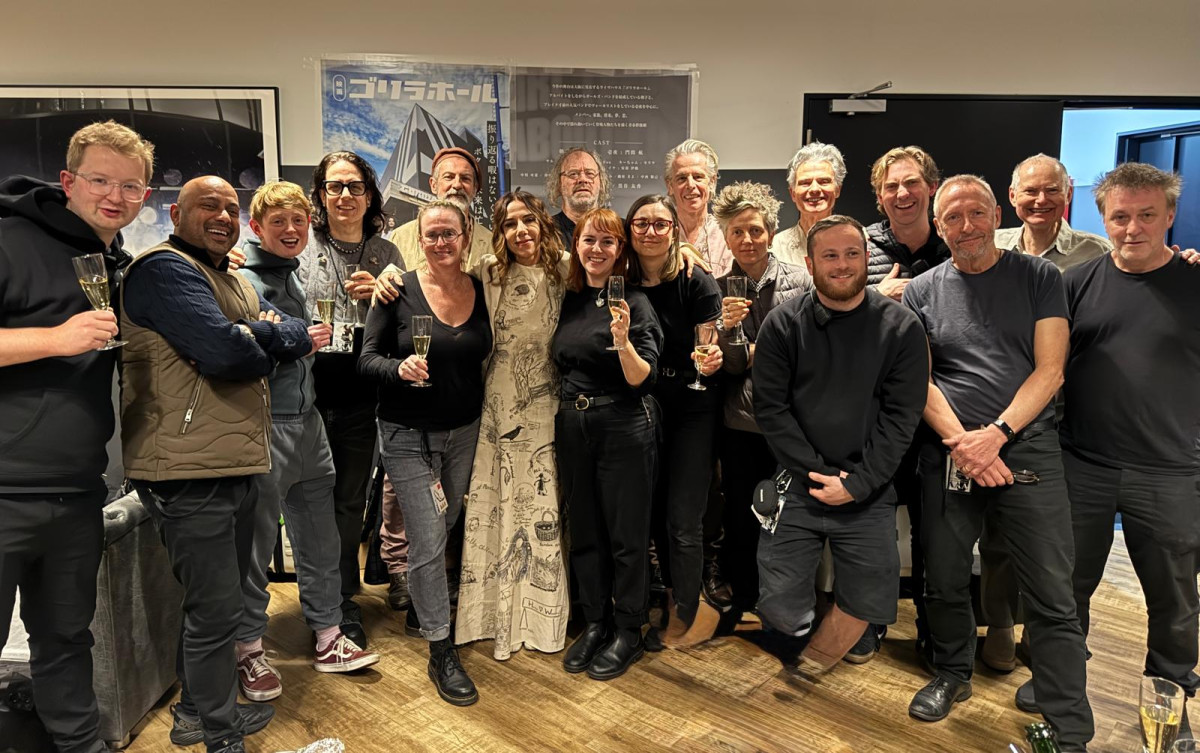
I manage 4 artists - Katie Melua, The Boxer Rebellion, Nathan Nicholson, and PJ Harvey (whom I co-manage with ATC). I have a team of 3 employed staff, and 3 external staff, and between us we build and protect our artist’s businesses. My role is to prioritise roles for each of the team members, while communicating daily with my artists on financial, strategic, and creative matters. I have decision-making authority alongside my artists, so ultimately everything will need to come to me for approval. My main objective is to always ensure our graphs are pointing upwards - which is generally a measure of financial success, influence, and happiness.
Top success stories
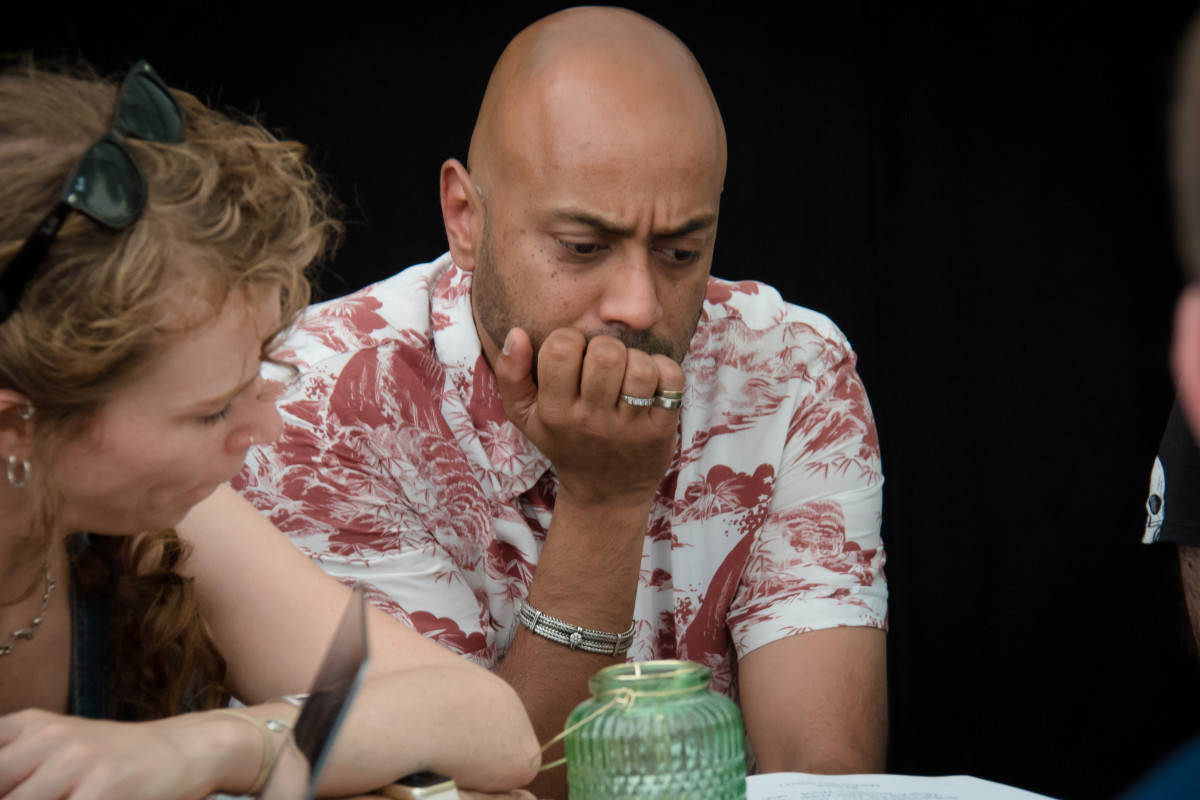
I am extremely proud of everyone I manage.
The Boxer Rebellion, as a wholly independent band, have been with me for 15 years and are not only surviving, but thriving as they go into their 7th studio album and global tour.
Katie Melua has had the most incredible career, but for the longest time was not in the centre of her creative universe. When we started working together that was a priority for me, and we have since released 3 studio albums and 2 live albums, and her music is reaching new audiences daily. She is an exceptional songwriter and business partner.
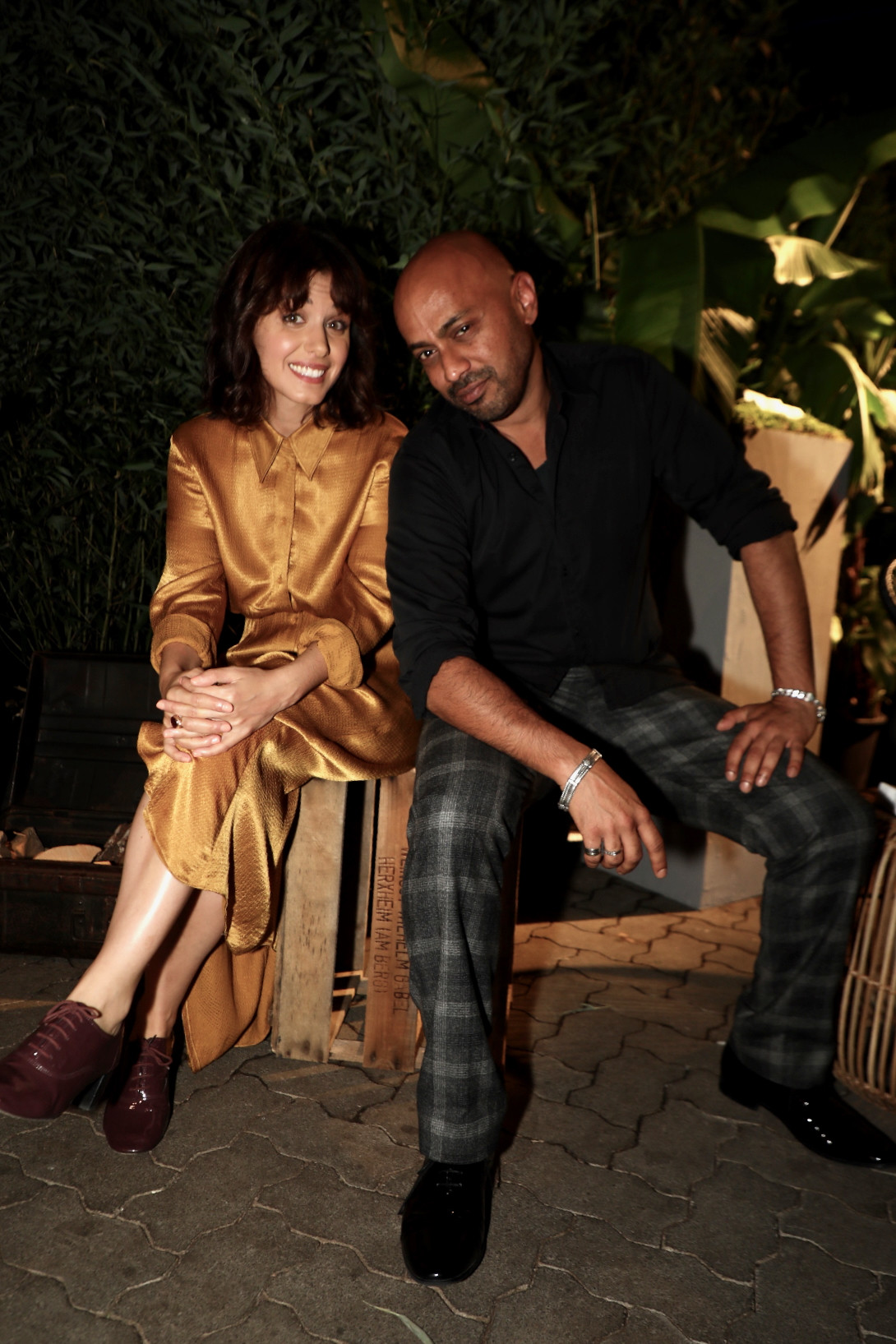
PJ Harvey and I have worked together for over a decade now, and her last album was nominated for a Grammy Award, and she most recently won a BAFTA for her score of Apple TV’s Bad Sisters.
Nathan Nicholson (the lead singer of The Boxer Rebellion) is now one of the most in-demand songwriters in the UK, and has released solo records with the likes of Anyma, Dom Dolla, and Claptone. He is on fire right now, and it is amazing to see the career of one of my closest friends go from strength to strength, year after year.
The new digital revolution & AI in music
As a studied engineer, I wholly embrace technological advancement. In my work as a Board Member of both the Music Manager’s Forum (UK) and the European Music Managers Alliance, we work hard to ensure technological advancement does not come at the expense of the human creative community. As long as we protect original human creativity, and make a distinction between what is human-made vs machine-made, just as we do with organic vs non-organic produce, I see no reason to be fearful. If anything, some of my artists are already embracing AI in their daily lives both creatively and otherwise, which I wholly encourage. I do, however, feel that schools and universities should be doing more to teach the next generation how to understand and harness AI in ways more meaningful than simply using Chat GPT to write an essay. The same applies to recording artists.
You now have machines that can help you get more out of the machines! I am sorry but there is no avoiding technological advancement!
How is it working with Pj Harvey, Katie Melua, The Boxer Rebellion and such fine artists
They are all extremely hard working people, who LOVE what they do. We learn from each other, daily, and I think that is the secret to long-standing relationships in this business. Without love and respect for one another, we all become just another number.
Your band, Penn Masala
I started Penn Masala in my first year in university because I couldn’t get accepted into any other a cappella group on campus! I used to sing Hindi songs as a child so I went around campus trying to find other young men of Indian descent who could also hold a note! My first recruit was a student who sat next to me in Physics 101, then my roommate, and finally I managed to gather a good 10-15 guys and a friend to act as our MD. It was a rocky and hilarious beginning, but Penn Masala have since gone on to feature in movies, tour the world, and perform in front of presidents. I named the group after an Indian chewing tobacco brand called Pan Parag Pan Masala. The creation of Penn Masala remains one of my proudest achievements and a real life example of creating something new and culturally significant out of thin air.
Main differences between Europe and America
As someone who has grown up and worked on both sides, I would say the biggest point of difference is that in America, people generally celebrate re-invention and financial success more so than in the UK and Europe. Over there they really celebrate the entrepreneurial spirit! However, in my opinion UK and European cultures are so much older that they tend to be more credible, stylish, and innovative. I think this is why so many artists in the US look to artists across the Atlantic as being creatives to really aspire to. I don’t think anyone “does it better,” they just do it differently!
The new music
I’m not sure I agree with the idea that there is or will be a new genre of “pop” or “popular music”. If anything, the world has shifted towards a celebration of individuality rather than herd mentality, so all genres will continue to thrive and new genres will continue to be created. I think younger A&Rs are definitely looking for and excited by new talent, but with the bosses being so data and shareholder- focused it will be an uphill battle to sign emerging artists with no digital footprint or proven track record. Artist Managers, however, have no such impediment to progress and I think managers took on the role of A&R and artist development years ago! If you’re looking for new talent and innovation, I would suggest focusing on what the managers are doing.
What do you know about the Romanian music market
I sit here writing all of these answers from a gorgeous apartment overlooking Braşov, while on a family holiday to this beautiful country. I know that Romania is one of the top 20 music markets in the world, and enjoys a thriving and growing music business across both records and live (not just here but across the region). I also see the impact that brands are having in this space, which is evident as you travel through the country, seeing the faces of Romanian popstars on most street corners! The one thing that saddens me, though, is that I don’t hear Romanian music on the streets. Instead the airwaves are dominated by English-speaking pop artists from the US and UK, whom my wife, daughters, and I have respectfully traveled all this way to get away from. :) I am so honoured to have been invited to this edition of MMB with my friend Katie Melua, and cannot wait to learn and exchange ideas on how we as a collective music industry can do better together.